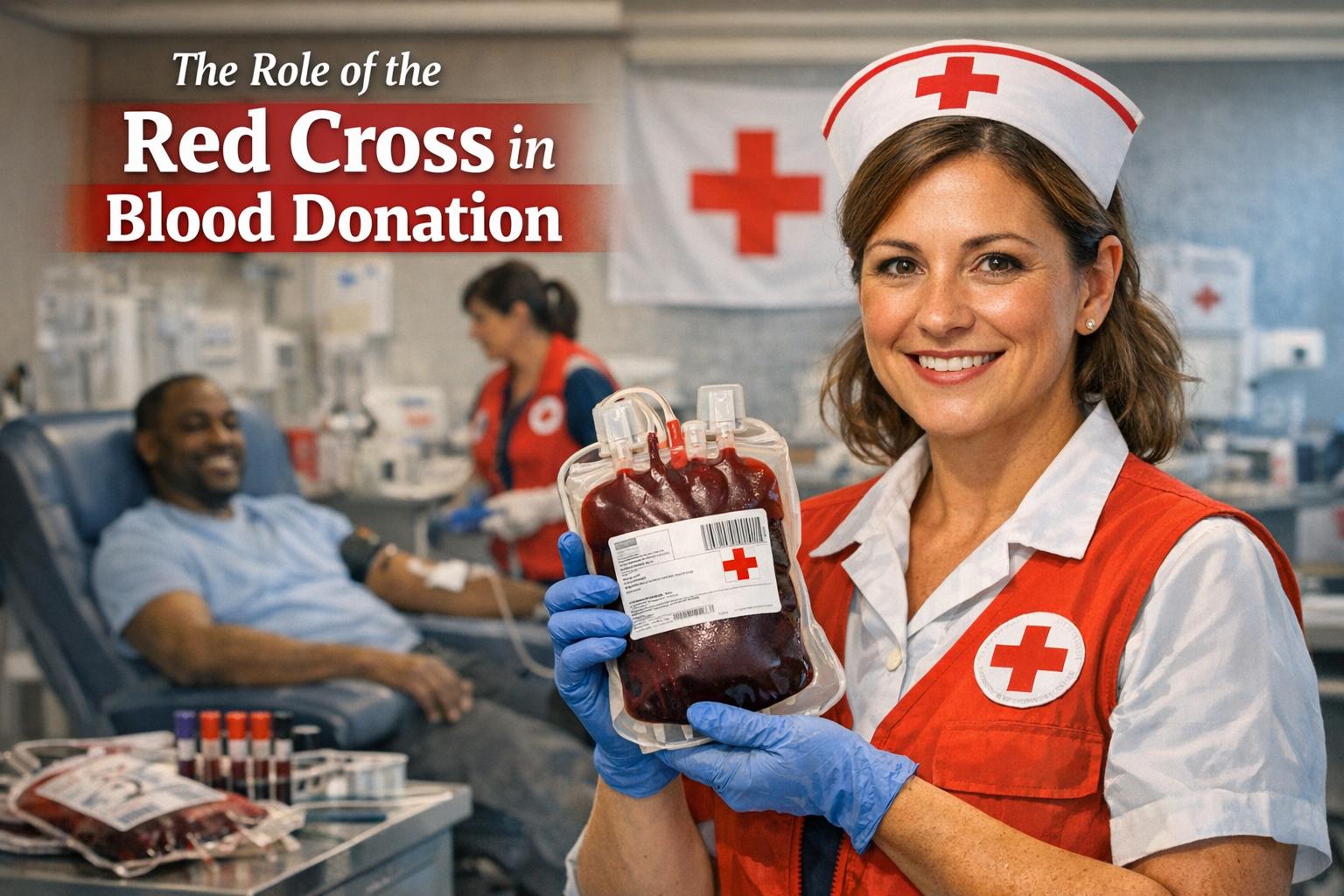
The Importance of Blood Donation
Blood donation is a fundamental component of modern healthcare systems. Hospitals and medical centers rely on a steady and predictable supply of blood and blood components to perform surgeries, treat traumatic injuries, manage chronic illnesses, and support patients undergoing complex medical procedures. Unlike many medical supplies, blood cannot be manufactured artificially. It must be donated voluntarily by individuals who meet established health criteria. This unique characteristic makes blood donation a shared public responsibility and a critical element of national and global health infrastructure.
Each unit of donated blood can be separated into various components, including red blood cells, plasma, and platelets. These components serve distinct clinical purposes. Red blood cells are commonly used to treat patients experiencing blood loss or anemia. Platelets assist in blood clotting and are essential for patients undergoing chemotherapy or suffering from clotting disorders. Plasma is used in trauma care and in the treatment of certain immune and bleeding conditions. Because different patients require different components, a stable donor base ensures flexibility and preparedness in medical treatment.
Healthcare systems must carefully balance supply and demand. Blood products have limited shelf lives. Red blood cells can typically be stored for only several weeks, while platelets last only a few days. Plasma can be frozen for longer periods, but it still requires appropriate storage and management. As a result, ongoing donation efforts are necessary to maintain adequate inventory levels and avoid shortages that could delay medical care.
The Role of the Red Cross
The Red Cross is among the most widely recognized humanitarian organizations involved in blood collection and distribution. Operating in numerous countries, it supports national healthcare systems by organizing donations, testing and processing blood, and supplying medical facilities with safe and compatible products. The organization functions within regulatory frameworks established by national health authorities, ensuring compliance with medical and ethical standards.
Beyond collecting blood, the Red Cross plays an important role in promoting public awareness of donation needs. Through educational initiatives, community outreach, and institutional partnerships, it encourages eligible individuals to donate regularly. Its broad geographic presence allows it to coordinate efforts across urban and rural areas, helping to distribute resources efficiently.
In many regions, the Red Cross also assists in emergency preparedness. Natural disasters, large-scale accidents, and public health crises can sharply increase demand for blood. An established infrastructure for donor mobilization and blood distribution is therefore an essential component of national emergency planning.
Organizing Donation Drives
One of the core operational functions of the Red Cross involves organizing blood donation drives in workplaces, educational institutions, community centers, and mobile collection units. These drives are structured to reduce logistical barriers and make donation accessible to a wide segment of the population. Mobile units, for example, allow healthcare professionals to travel to donors rather than requiring donors to travel to centralized locations.
Effective organization requires careful planning. Donation sites must meet medical and safety standards, be equipped with appropriate collection materials, and staffed by trained personnel. Scheduling systems are often used to manage donor flow and reduce waiting times. These measures contribute to both donor satisfaction and operational efficiency.
In addition to routine drives, targeted campaigns are conducted when inventory levels are low or when certain blood types are in short supply. Communication strategies aim to inform the public about current needs without overstating urgency. By maintaining transparent information about supply levels, organizations encourage informed participation.
Ensuring Safety and Quality
Safety and quality assurance are central priorities in blood donation systems. Donor eligibility is determined through standardized screening processes that assess medical history, travel exposure, medication use, and other relevant health factors. The objective is to protect both the donor and the future recipient.
Before donation, potential donors complete confidential questionnaires and undergo basic health checks, such as measuring hemoglobin levels, blood pressure, and body temperature. Individuals who do not meet criteria are deferred temporarily or permanently, depending on the condition identified. These measures reduce the risk of transmitting infectious diseases and ensure that donors can safely tolerate the procedure.
After collection, each unit of blood is tested for a range of infectious agents, including viruses and other pathogens as mandated by national regulations. Only blood that meets strict testing standards is approved for clinical use. Sophisticated laboratory processes allow for accurate blood typing and compatibility matching, reducing the likelihood of transfusion reactions.
Storage conditions are carefully controlled. Refrigeration units maintain specific temperature ranges, and monitoring systems track storage performance continuously. Transportation to hospitals is managed under controlled conditions to preserve product integrity. Through these measures, the Red Cross and similar organizations uphold medical reliability and patient safety.
Supporting Donors
A sustainable blood supply depends not only on first-time donors but also on repeat participation. For this reason, providing accurate information and a structured donation experience is essential. The Red Cross and similar institutions offer educational materials explaining eligibility requirements, the stages of donation, and recommended practices before and after giving blood.
The donation process itself usually takes less than an hour, with the actual blood draw lasting only several minutes. Trained healthcare professionals monitor donors throughout the procedure. After donation, individuals are observed briefly and offered refreshments to help stabilize circulation. Written guidance typically includes advice on hydration, physical activity, and recognizing signs of temporary side effects such as lightheadedness.
Maintaining donor privacy and confidentiality is another important aspect of support. Personal health information is protected under applicable data protection regulations. If post-donation testing reveals health concerns, donors are notified confidentially and provided with appropriate information.
Educational outreach also addresses common misconceptions. Some individuals may assume that donating blood is painful or time-consuming, or that it significantly weakens the body. Accurate information clarifies that the human body replenishes the donated blood volume within a short period and that eligible donors can safely give at regulated intervals.
Technological Advancements
Technological developments have improved efficiency, safety, and accessibility in blood donation systems. Digital appointment platforms allow donors to schedule visits in advance, reducing crowding and optimizing staffing. Automated reminder systems encourage repeat participation and help maintain consistent donation patterns.
Data management systems track inventory levels, blood types, expiration dates, and distribution patterns. By analyzing these data, organizations can anticipate shortages and adjust collection strategies accordingly. Predictive analytics may assist in identifying seasonal trends, such as increased demand during holiday periods or after large public events.
Laboratory technologies have also advanced. Modern testing methods enhance detection accuracy for infectious diseases and improve cross-matching precision. Automated separation equipment enables the efficient division of whole blood into components with minimal handling, supporting quality control.
Mobile applications serve as communication tools between donors and collection agencies. Through secure platforms, donors can access eligibility updates, track donation history, and receive notifications about community needs. These tools promote transparency and engagement without requiring frequent in-person communication.
Collaborative Efforts
Blood donation programs operate most effectively through collaboration among healthcare providers, government authorities, educational institutions, and private sector organizations. Regulatory agencies establish standards for collection, testing, storage, and distribution. Hospitals communicate usage trends and forecasted needs, enabling collection agencies to align supply with demand.
Educational institutions often host drives that encourage participation among eligible students and staff. Corporate partnerships may provide facilities and logistical support, expanding access points for donors. Community organizations assist in raising awareness and addressing cultural or informational barriers that may discourage donation.
International cooperation also plays a role in addressing cross-border emergencies and sharing best practices. While blood is typically collected and distributed locally due to storage constraints, knowledge exchange regarding safety protocols and technological innovations strengthens global capacity.
Emergency coordination is particularly important. During natural disasters or public health crises, demand can increase suddenly while routine collection may be disrupted. Pre-established partnerships and contingency plans enable rapid response, including mobilizing additional staff, extending donation hours, or reallocating supplies between regions.
Why Donate Blood?
From a public health perspective, blood donation contributes directly to the resilience of healthcare systems. A single donation can be processed into multiple components, potentially supporting more than one patient. Surgical procedures, trauma care, childbirth complications, cancer treatments, and chronic blood disorders depend on timely transfusions.
Eligibility requirements are designed to safeguard health outcomes. Adults who meet specified age, weight, and health standards may donate whole blood at intervals defined by medical guidelines. Specialized procedures such as platelet or plasma donation may have different criteria and frequencies.
In addition to benefiting recipients, donation provides limited but relevant health monitoring for donors. Pre-donation screening can identify certain conditions, such as low hemoglobin levels or elevated blood pressure, prompting individuals to seek medical evaluation if necessary. While blood donation is not a substitute for comprehensive health care, it can contribute to health awareness.
Regular participation helps stabilize supply chains. Because blood components expire, a consistent donor base is more effective than sporadic surges of participation. Predictable donation patterns allow healthcare providers to plan surgeries and treatments without concern for unexpected shortages.
Public engagement also reinforces civic responsibility. Voluntary non-remunerated donation systems, which rely on individuals giving without financial compensation, are generally associated with higher safety standards and lower risk profiles. Encouraging informed and voluntary participation supports ethical principles within healthcare.
Long-Term Sustainability of Blood Supply
Maintaining an adequate blood supply over time requires demographic awareness and forward planning. In many countries, aging populations increase demand for transfusions while reducing the proportion of eligible donors. Recruitment strategies must therefore adapt to demographic changes, ensuring outreach to younger generations and underrepresented communities.
Cultural competence is an important consideration. Certain patient populations require closely matched blood types to reduce complications, particularly for individuals who receive repeated transfusions. Expanding diversity among donors improves compatibility and treatment outcomes.
Environmental and operational sustainability are also under review. Blood collection centers are adopting more efficient energy systems for refrigeration and transportation. Digital documentation reduces paper usage, and improved logistics minimize waste from expired units.
Research continues into alternatives such as synthetic blood substitutes or enhanced blood conservation strategies during surgery. While these developments may reduce demand in specific scenarios, they do not eliminate the need for donated blood. For the foreseeable future, voluntary donation remains indispensable.
Conclusion
Blood donation is integrated into routine and emergency medical care across the world. By collecting, processing, and distributing safe blood products, organizations such as the Red Cross help sustain healthcare delivery. Their responsibilities extend beyond collection to include rigorous safety standards, donor education, technological integration, and collaborative coordination with healthcare institutions.
A stable blood supply requires consistent participation from eligible individuals, supported by transparent communication and effective management systems. Through structured organization, regulatory oversight, and community engagement, blood donation programs remain a central component of public health infrastructure.