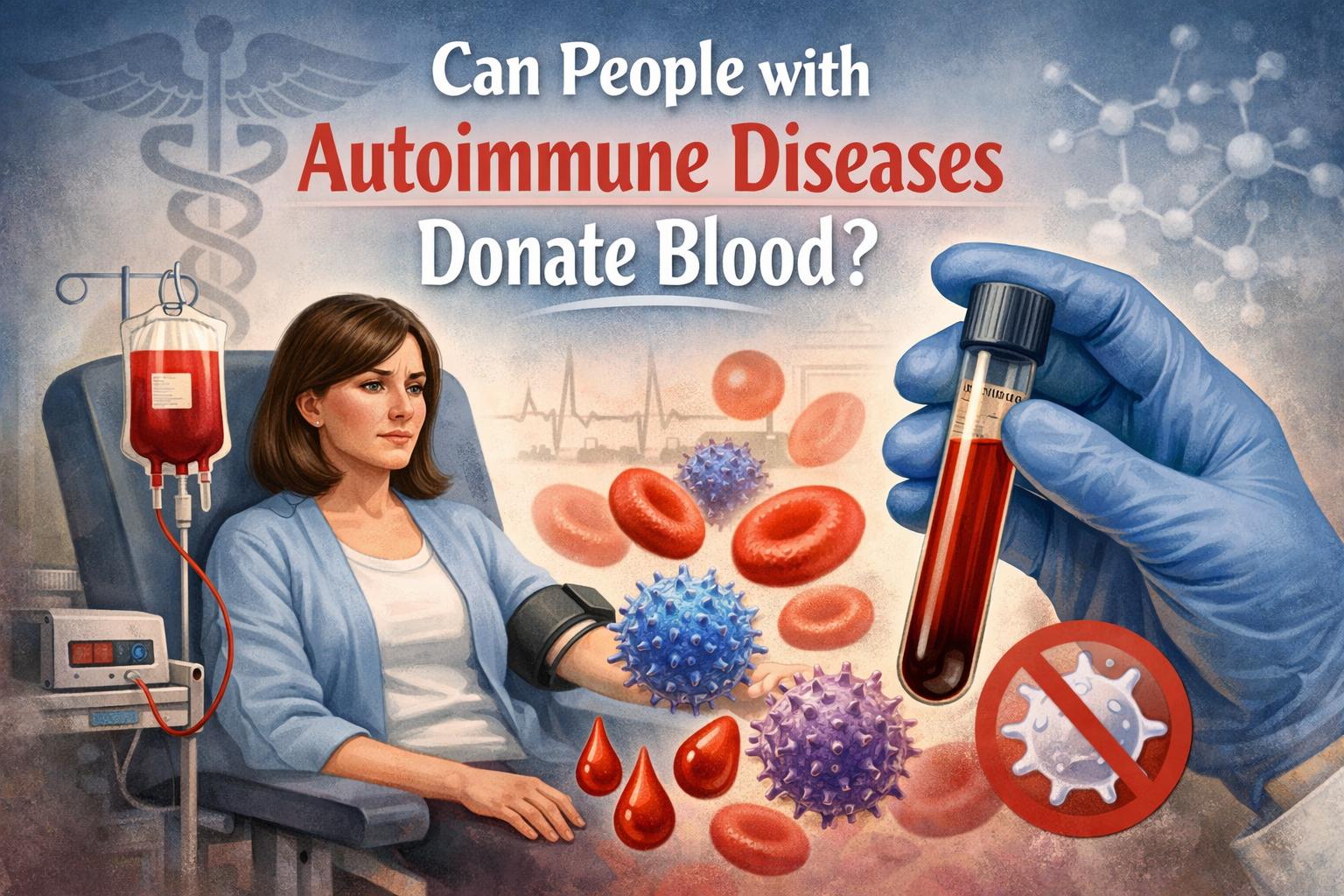
Understanding Autoimmune Diseases
Autoimmune diseases are a broad group of chronic conditions in which the immune system, designed to protect the body from infection and disease, mistakenly targets healthy tissues. Under normal circumstances, the immune system identifies foreign organisms such as bacteria and viruses and mounts a controlled response to eliminate them. In autoimmune disorders, this recognition process malfunctions. Immune cells and antibodies attack components of the body as though they were harmful invaders.
There are more than eighty recognized autoimmune diseases. Some conditions affect a single organ, while others involve multiple systems. Lupus, for example, can affect the skin, joints, kidneys, and other organs. Rheumatoid arthritis primarily targets the joints, leading to inflammation and progressive damage. Multiple sclerosis affects the central nervous system, interfering with communication between the brain and the rest of the body. Type 1 diabetes results from immune-mediated destruction of insulin-producing cells in the pancreas.
The precise causes of autoimmune diseases are not fully understood. Current evidence suggests a combination of genetic predisposition and environmental triggers. Family history, certain infections, hormonal influences, and environmental exposures may contribute to disease onset. Many autoimmune conditions follow a pattern of remission and exacerbation, meaning that symptoms may improve for periods and then recur.
Management typically involves long-term medical supervision. Treatments may aim to reduce inflammation, suppress immune activity, or manage specific symptoms. These treatment strategies can influence overall health and may have implications for activities such as blood donation.
Blood Donation Guidelines
Blood donation systems are designed to safeguard both donors and recipients. Organizations responsible for collecting and distributing blood establish eligibility criteria based on medical research, regulatory requirements, and public health considerations. These criteria are periodically reviewed and updated to reflect new scientific findings and evolving healthcare standards.
Before donation, prospective donors usually complete a detailed health questionnaire and undergo a brief medical assessment. Questions address recent illnesses, chronic conditions, medications, travel history, and lifestyle factors. The purpose of this screening process is twofold: to reduce the risk of transmitting infectious diseases to recipients and to ensure that the act of donating will not compromise the donor’s health.
Autoimmune diseases present unique considerations in this context. Because these conditions involve immune system dysfunction and are often treated with medications that alter immune activity, donation eligibility cannot be determined solely by diagnosis. Instead, blood collection agencies evaluate the current health status of the individual, the nature of the autoimmune condition, and the specific treatments being used.
Autoimmune Diseases and Eligibility
Eligibility for blood donation among individuals with autoimmune diseases depends on multiple factors. Policies differ among countries and organizations, but several common principles apply.
In many cases, individuals whose autoimmune disease is stable and well-controlled may be considered eligible to donate blood. Stability generally means the person is not experiencing significant symptoms, has not recently required hospitalization, and is under regular medical supervision. For example, someone with mild rheumatoid arthritis controlled by non-immunosuppressive medication may meet eligibility criteria if they feel well on the day of donation.
Active Symptoms: When autoimmune conditions are active, the body is already undergoing physiological stress. Symptoms such as fatigue, joint pain, fever, or organ involvement may temporarily disqualify a person from donating. Blood donation involves removing a portion of blood volume, which can lead to mild temporary effects such as lightheadedness or fatigue. If an individual is already symptomatic, donation could exacerbate these issues or delay recovery. As a result, blood services commonly defer potential donors until symptoms have resolved and their condition is stable.
Treatment Medications: The medications used to manage autoimmune diseases represent a significant factor in eligibility decisions. Many patients take immunosuppressive drugs to control inflammation and prevent tissue damage. These medications include corticosteroids, disease-modifying antirheumatic drugs (DMARDs), and biologic agents that target specific components of the immune response.
Immunosuppressive therapies may disqualify an individual temporarily or permanently from donating blood. The concern is not only about the donor’s well-being but also the recipient’s safety. Some medications remain in the bloodstream for extended periods and could theoretically affect a recipient, particularly those who are medically vulnerable. In addition, individuals taking strong immunosuppressants may be at higher risk of infection, and the screening process seeks to minimize any potential risk to the blood supply.
Not all medications automatically result in deferral. Low-dose treatments or drugs that do not significantly alter immune system function may be acceptable, depending on organizational guidelines. Each case is typically assessed individually.
Certain autoimmune diseases are more likely than others to affect eligibility. For example, individuals with autoimmune diseases limited to a single organ and without systemic involvement may have a greater likelihood of acceptance if their condition is stable. In contrast, conditions that affect blood cells directly, such as autoimmune hemolytic anemia, generally preclude donation because they directly involve abnormalities in blood components.
Why Are These Guidelines Important?
Blood donation policies are guided by principles of safety, quality, and ethical responsibility. The blood supply is used to treat patients undergoing surgery, trauma care, cancer therapy, and management of chronic illnesses. Many recipients are in fragile health, and minimizing risk is essential.
From the donor perspective, the body typically replaces donated blood volume within a short time. However, individuals with autoimmune diseases may have altered physiological responses. An exacerbation of symptoms after donation, even if rare, must be avoided. Policies are structured to ensure that donation does not contribute to disease flare-ups or compromise recovery.
From the recipient perspective, the screening process aims to prevent the transmission of infectious diseases and avoid unintended exposure to potentially harmful substances. Although autoimmune diseases themselves are not contagious, associated complications or medications could theoretically affect recipients. Blood services adopt a precautionary approach when scientific evidence is limited or evolving.
Consistency in guidelines also promotes public trust. Recipients rely on the integrity of the donation system, and donors need assurance that their participation is both valued and safe. Standardized screening helps maintain a reliable and secure blood supply.
Consultation Before Donation
Individuals with autoimmune diseases who are considering blood donation are advised to consult their healthcare provider in advance. A physician or specialist familiar with the individual’s medical history can evaluate whether donation is appropriate. This consultation may include reviewing current medications, assessing recent disease activity, and discussing any potential risks.
On the day of donation, medical staff at the donation center conduct an additional assessment. Prospective donors should provide accurate and complete information about their diagnosis and treatment. Transparency is important, as eligibility decisions are based on the details provided.
If a person is temporarily deferred, this does not necessarily indicate a permanent inability to donate. Temporary deferrals may occur due to recent illness, medication changes, or minor procedural requirements. In many situations, once the condition stabilizes or a required waiting period has passed, donation may be reconsidered.
Deferral policies can vary by region. National health authorities and blood donation organizations publish detailed information outlining eligibility requirements. These resources explain which autoimmune conditions may be acceptable, which medications require waiting periods, and what steps to take if there is uncertainty.
Living With an Autoimmune Disease and Community Participation
Many individuals with autoimmune diseases seek ways to contribute to their communities, including through blood donation. While medical considerations may limit participation in some cases, there are alternative forms of involvement within healthcare systems. These can include volunteering at blood drives, supporting awareness campaigns, or encouraging eligible family members and friends to donate.
For those who are medically eligible, donating blood can be safely integrated into overall health management with appropriate guidance. Adequate hydration, proper nutrition, and monitoring for symptoms after donation are general recommendations that apply to all donors. Individuals with chronic conditions may need to pay particular attention to recovery and report any unusual symptoms to a healthcare provider.
Research continues to explore the relationship between chronic conditions and blood donation safety. As scientific understanding advances, guidelines may evolve. The primary objective remains maintaining a balance between inclusivity and safety.
Balancing Individual Health and Public Need
The demand for donated blood persists across healthcare systems worldwide. Surgeries, emergency care, and ongoing treatments depend on voluntary donors. At the same time, the well-being of donors cannot be compromised in meeting this need.
Autoimmune diseases illustrate the complexity of donor eligibility decisions. These conditions vary widely in severity, organ involvement, and response to treatment. A standardized, condition-specific approach would not adequately address this diversity. Instead, blood donation systems rely on case-by-case evaluation within established medical frameworks.
In conclusion, the presence of an autoimmune disease does not automatically prevent an individual from donating blood. Eligibility depends on disease stability, absence of active symptoms, medication use, and overall health status. Careful screening and medical consultation help ensure that donation remains safe for both donor and recipient. By adhering to established guidelines and seeking professional advice, individuals with autoimmune diseases can make informed decisions about whether blood donation is appropriate in their specific circumstances.