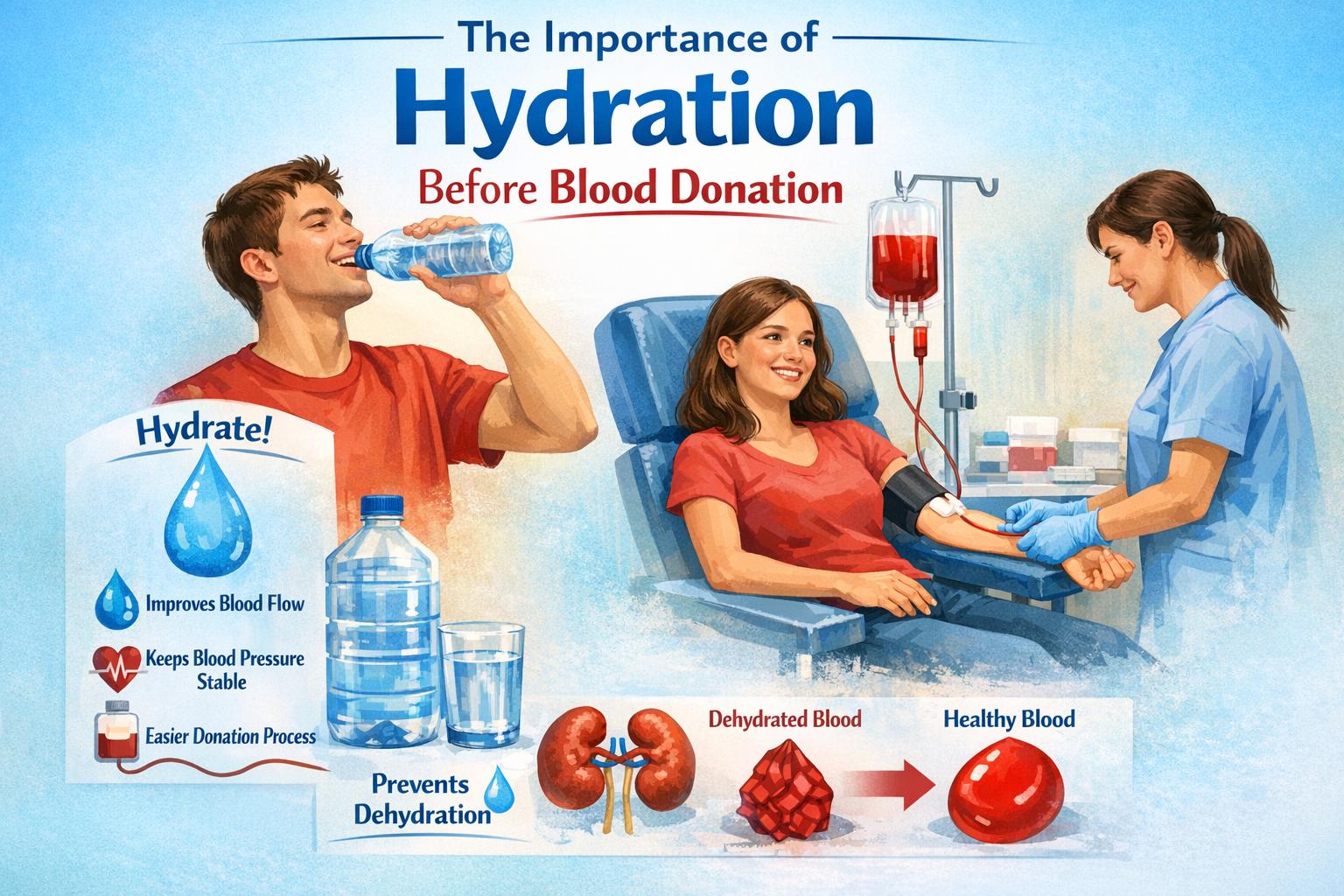
Understanding the Role of Hydration in Blood Donation
Hydration is a crucial element in the preparation for blood donation. Proper fluid intake not only facilitates a smoother donation process but also influences donor health before, during, and after the procedure. While blood donation is a routine medical activity managed by trained professionals, the physiological state of the donor plays a significant role in determining how efficiently the collection occurs and how well the donor tolerates it. Adequate hydration contributes to circulatory stability, supports recovery, and helps reduce the likelihood of preventable side effects.
Blood donation involves the removal of a specific volume of whole blood, typically about 450 to 500 milliliters in standard adult donations. This represents a measurable portion of total blood volume. Because plasma, the liquid component of blood, is largely composed of water, the body’s hydration status directly affects plasma volume. When hydration is sufficient, vascular volume is better maintained, and the donation process tends to proceed with fewer complications.
Why Is Hydration Important?
The human body is composed of approximately 60% water, and this fluid is essential for maintaining temperature regulation, cellular integrity, metabolic reactions, and circulatory stability. In the context of blood donation, hydration specifically helps regulate blood volume and plasma viscosity. These factors directly influence the ease and efficiency with which blood can be drawn.
When a person is well-hydrated, plasma volume is relatively higher. This supports venous filling, which aids healthcare professionals in locating accessible veins for needle insertion. In addition, blood that is adequately diluted by plasma flows more smoothly through collection tubing into the donation bag. Reduced viscosity can shorten collection time and improve the overall experience for both donor and staff.
In contrast, dehydration may lead to a relative reduction in plasma volume. This can result in hemoconcentration, where the proportion of red blood cells to plasma increases. Hemoconcentrated blood is more viscous and may flow more slowly, complicating the collection process. Donors who are even mildly dehydrated may also be more prone to lightheadedness due to reduced circulatory compensation following blood removal.
Hydration and Circulatory Stability
The circulatory system relies on adequate fluid levels to maintain blood pressure and ensure proper perfusion of tissues. When blood is donated, the body immediately initiates compensatory mechanisms. Heart rate may increase slightly, and blood vessels may constrict to maintain stable blood pressure. These adjustments are typically mild in healthy individuals, but their effectiveness depends partly on baseline hydration status.
If a donor begins the process in a dehydrated state, circulating volume is already somewhat reduced. Removing additional fluid through donation may enhance the likelihood of experiencing temporary hypotension. This can manifest as dizziness, blurred vision, nausea, or, in rare cases, syncope. Maintaining hydration before donation helps ensure that the body has sufficient intravascular volume to adapt effectively to the temporary loss.
Fluid balance also plays a role in thermoregulation. Donation centers are generally climate-controlled, yet individual perception of temperature may vary. Some vasovagal reactions are associated with a combination of anxiety, heat sensitivity, and reduced blood pressure. Adequate hydration contributes to more stable thermoregulatory responses and may support overall physiological resilience during the procedure.
Prevention of Adverse Reactions
Proper hydration can help minimize the risk of adverse reactions following donation. The most common issues reported by donors include dizziness, weakness, sweating, and fainting. These reactions are typically short-lived and resolve with rest and fluid intake, but preventive measures are preferable.
Many of these symptoms are linked to transient drops in blood pressure or reduced cerebral perfusion. Ensuring adequate fluid intake before donation can help maintain plasma volume and mitigate these effects. Studies examining donor safety have found that increasing pre-donation fluid intake is associated with a lower incidence of vasovagal reactions, particularly among first-time donors and younger individuals.
Hydration also assists in post-donation recovery. After blood is removed, the body works to restore plasma volume within hours, primarily by shifting fluids from interstitial spaces into the bloodstream and by stimulating thirst. Donors who are already well-hydrated may experience a smoother and faster normalization of hemodynamic parameters compared with those who begin the process with lower fluid reserves.
Understanding Plasma Volume and Recovery
Blood consists of red blood cells, white blood cells, platelets, and plasma. Plasma accounts for approximately 55% of total blood volume and is about 90% water. When whole blood is donated, both cellular components and plasma are removed. However, plasma volume is generally restored more rapidly than red blood cell mass.
Plasma recovery can occur within 24 to 48 hours, provided adequate fluid intake is maintained. Red blood cell regeneration, by contrast, requires several weeks and depends on sufficient iron availability and bone marrow function. Because plasma restoration relies heavily on water balance, hydration before and after donation directly supports this process.
Drinking fluids after donation helps the body compensate for volume loss. Water is absorbed from the gastrointestinal tract into the bloodstream, increasing intravascular volume. This reduces the strain on compensatory cardiovascular mechanisms and supports stabilization of blood pressure. For this reason, donors are often encouraged to consume fluids at the donation site immediately after the procedure.
Recommended Hydration Guidelines
To ensure optimal hydration, it is commonly advised to drink approximately 16 to 20 ounces of water one to two hours before donating blood. This general recommendation may vary depending on body size, environmental conditions, and baseline fluid intake. Individuals with higher body mass or those living in warmer climates may require additional fluids to achieve comparable hydration status.
Hydration should not be limited to the hour before donation. Maintaining consistent fluid intake during the preceding 24 hours contributes to more stable plasma volume. Abruptly consuming a large volume of water immediately before donation does not entirely compensate for prior dehydration. Instead, sustained and moderate intake throughout the day is more effective in maintaining balanced fluid distribution between intracellular and extracellular compartments.
While water is sufficient for most donors, other non-caffeinated beverages can also contribute to overall fluid intake. Milk and certain fruit juices provide hydration along with electrolytes and nutrients. However, beverages containing excessive caffeine may have mild diuretic effects in some individuals, and alcohol should be avoided before donation due to its dehydrating properties and potential impact on eligibility.
Electrolytes and Fluid Balance
In addition to water, electrolytes such as sodium and potassium play a central role in fluid distribution across cell membranes. Electrolyte concentration influences osmotic gradients, which determine how water moves between intracellular and extracellular compartments. Under most circumstances, a balanced diet provides adequate electrolytes for healthy adults.
In situations involving heat exposure, heavy sweating, or high levels of physical activity, modest electrolyte replacement may be beneficial. Some donors find that beverages containing electrolytes support sustained hydration, particularly in warm environments. However, electrolyte supplementation should remain moderate, and excessive sodium intake is not recommended without medical guidance.
For the majority of donors in temperate conditions, plain water combined with regular meals is sufficient to maintain fluid and electrolyte balance. The emphasis should remain on steady intake rather than high-volume consumption over a short period.
Hydration Strategies for Different Donor Groups
Hydration needs can differ depending on age, body composition, and lifestyle factors. Younger donors, particularly adolescents and young adults, may be more susceptible to vasovagal reactions. Encouraging careful hydration before donation can help reduce this risk. Educational materials often target this group to reinforce the importance of drinking fluids in advance.
Older adults may have altered thirst perception, which can reduce spontaneous fluid intake. In these individuals, deliberate planning of water consumption before the appointment may be beneficial. Chronic medical conditions, such as controlled hypertension or certain endocrine disorders, may also influence fluid balance. Donors with underlying health concerns should follow individualized advice provided by healthcare professionals.
Athletes and individuals who exercise intensely should consider timing when scheduling donations. Strenuous physical activity can alter hydration status and plasma volume. Avoiding intense exercise immediately before donation and ensuring adequate rehydration afterward supports safer participation.
Dietary Considerations in Conjunction With Hydration
Although hydration is central to donation readiness, it functions alongside other dietary considerations. Consuming balanced meals before donation supports stable blood glucose levels and overall well-being. Skipping meals may increase susceptibility to lightheadedness independent of hydration status.
Iron intake is also relevant, particularly for repeat donors. Red blood cell production depends on adequate iron stores. While hydration does not directly affect iron levels, optimal circulating volume supports efficient nutrient transport. Therefore, fluid intake and balanced nutrition work together to promote safe and sustainable donation practices.
Donors are often advised to avoid high-fat meals immediately prior to donation, as elevated blood lipid levels can interfere with testing of collected blood. This recommendation is separate from hydration but contributes to overall preparation.
Post-Donation Hydration and Activity
After donating blood, continued fluid intake remains important. Donation centers commonly provide water or juice immediately after the procedure. This practice is designed to initiate plasma volume recovery and to reduce the likelihood of delayed symptoms.
Donors are usually advised to increase fluid intake for the remainder of the day. Spacing fluid consumption over several hours allows gradual restoration of vascular volume. At the same time, strenuous physical exertion, heavy lifting, and prolonged standing are generally discouraged for at least several hours following donation. These measures help prevent orthostatic symptoms and promote steady recovery.
The body’s natural regulatory systems, including hormonal responses such as increased secretion of antidiuretic hormone, assist in conserving water after donation. Adequate oral intake complements these mechanisms and supports stable homeostasis.
Common Misconceptions About Hydration
Some individuals assume that drinking excessive amounts of water immediately before donation will provide additional protection against side effects. In practice, overconsumption within a short period may lead to discomfort without significantly improving vascular stability. The body can only absorb and distribute fluids at a certain rate. Steady, moderate intake is more effective than abrupt excess.
Another misconception is that only water counts toward hydration. While water is the most direct and calorie-free option, other beverages and water-rich foods such as fruits and vegetables contribute to total fluid intake. However, reliance on sugary drinks may introduce unnecessary caloric intake without additional physiological benefit.
It is also sometimes assumed that habitual coffee or tea consumption completely offsets hydration efforts. Although caffeine can increase urine output slightly, moderate intake in habitual users does not typically cause substantial dehydration. Nevertheless, donors should prioritize non-caffeinated fluids before donation to ensure optimal hydration.
Institutional Practices Supporting Donor Hydration
Blood collection organizations often incorporate hydration guidance into donor education materials. Staff may remind donors to drink fluids before arrival and provide beverages on-site. Some centers implement pre-donation water protocols, encouraging donors to consume a measured amount of water shortly before the procedure. These practices are based on safety data indicating a reduction in vasovagal events when donors are adequately hydrated.
Screening procedures also include assessment of blood pressure and hemoglobin levels. These measurements help determine eligibility and ensure donor safety. While hydration alone does not determine these parameters, fluid balance can influence blood pressure readings and overall circulatory stability.
Long-Term Donation and Hydration Awareness
For individuals who donate regularly, hydration becomes part of a broader routine that includes nutritional planning and scheduling. Repeat donors often develop personal strategies tailored to their physiological responses. Maintaining consistent daily hydration supports not only donation readiness but also general cardiovascular and renal health.
Over time, awareness of one’s typical response to donation can guide adjustments in fluid intake. Some donors may observe that increasing water consumption the day before donation reduces post-procedure fatigue. Others may require only modest adjustments. Personal experience, combined with adherence to professional guidance, supports effective and safe long-term participation.
Conclusion
Understanding and implementing appropriate hydration strategies before blood donation contributes to both donor well-being and procedural efficiency. Adequate fluid intake supports stable plasma volume, facilitates smoother blood flow, and helps reduce the risk of short-term adverse reactions such as dizziness or fainting. Hydration also plays a central role in post-donation recovery, enabling more rapid restoration of circulatory balance.
Consistent and moderate fluid consumption in the day preceding donation, complemented by continued intake afterward, represents a practical and evidence-informed approach. While hydration is only one component of preparation, it is a controllable factor that substantially influences the donation experience. By recognizing its physiological importance and integrating sound hydration practices, donors can contribute to a safer and more effective blood collection process for themselves and recipients alike.