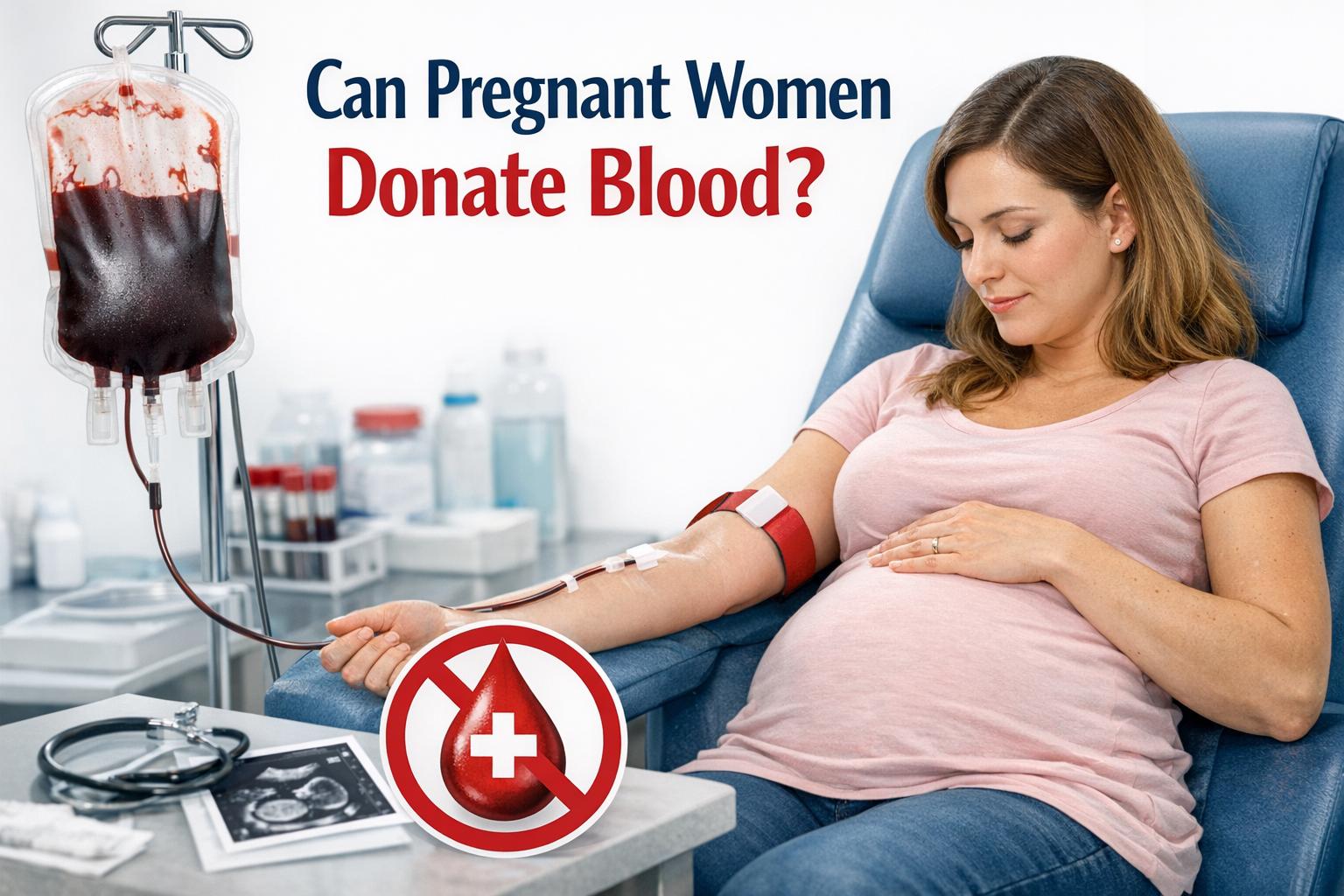
Understanding Blood Donation Eligibility During Pregnancy
Blood donation is an essential component of modern healthcare systems. Hospitals rely on donated blood and blood components for surgeries, trauma care, cancer treatments, and management of chronic conditions such as anemia and clotting disorders. Because blood donation involves the removal of a portion of the donor’s circulating blood volume, strict eligibility criteria are in place to protect both donors and recipients. One important factor that affects eligibility is pregnancy.
Pregnancy involves complex physiological adaptations that are necessary to support fetal development. These changes influence how a pregnant woman’s body regulates blood volume, iron levels, cardiovascular function, and overall metabolic demand. For this reason, blood collection agencies and medical organizations consistently classify pregnancy as a temporary deferral condition. Understanding the medical reasoning behind this policy helps clarify why donating blood during pregnancy is not recommended and when it may become appropriate again after childbirth.
Pregnant Women and Blood Donation
In most countries, pregnant women are not eligible to donate blood. This is not because pregnancy is an illness, but because it represents a state of increased physiological demand. Donation typically involves the removal of approximately 450 to 500 milliliters of whole blood. While this amount is generally well tolerated by healthy adults, pregnancy alters the balance between oxygen supply, iron stores, and circulating blood components.
Blood donation services aim to ensure that donors maintain adequate hemoglobin levels and stable circulation after donation. During pregnancy, the maternal body is already prioritizing oxygen and nutrient delivery to the fetus. Removing blood at this stage may increase the likelihood of anemia, dizziness, fatigue, or other complications. For this reason, deferral during pregnancy is considered a preventive measure grounded in maternal–fetal health principles.
Physical Changes During Pregnancy
Pregnancy produces marked changes in blood composition and circulation. One of the most significant adaptations is an increase in total blood volume. Plasma volume expands by approximately 40 to 50 percent, while red blood cell mass increases by a slightly smaller proportion. This disproportionate increase results in what is often referred to as physiological anemia of pregnancy, where hemoglobin concentration appears lower due to dilution, even though overall red cell production has increased.
The purpose of expanded blood volume is to meet the metabolic demands of the growing fetus and placenta. Increased volume improves uteroplacental blood flow and prepares the maternal body for blood loss that naturally occurs during childbirth. These adjustments are beneficial for pregnancy but also mean that iron requirements rise substantially. Iron is necessary for hemoglobin synthesis, and pregnancy increases the daily iron requirement far beyond that of nonpregnant adults.
If a pregnant woman were to donate blood, she would lose both red blood cells and iron. Even in nonpregnant individuals, donation temporarily lowers hemoglobin levels. In pregnancy, where iron demand is already elevated, this loss can contribute to iron deficiency anemia. Maternal iron deficiency has been associated with fatigue, reduced exercise tolerance, and in severe cases, adverse pregnancy outcomes. Blood collection agencies therefore avoid any action that could exacerbate iron depletion.
Changes in the cardiovascular system also play a role. Heart rate increases during pregnancy, and systemic vascular resistance decreases. These adaptations help maintain adequate blood flow to the uterus. Blood donation may cause a temporary drop in blood pressure or induce lightheadedness. Although such reactions are generally mild in the broader population, in pregnancy they may pose additional stress on the circulatory system.
Iron Requirements and Nutritional Considerations
Iron metabolism is central to the discussion of blood donation during pregnancy. Each unit of donated blood contains a significant amount of iron bound within hemoglobin. In nonpregnant donors, iron stores may take several weeks to recover after donation, and some donors require supplemental iron to restore normal levels.
During pregnancy, iron demands increase to support expansion of maternal red blood cell mass and to facilitate fetal development. The fetus depends entirely on maternal iron transfer through the placenta. If maternal stores are insufficient, the fetus may receive reduced iron supply, potentially affecting growth and neonatal iron status.
Healthcare providers routinely screen pregnant women for anemia and may prescribe iron supplementation as needed. Introducing an additional iron loss through blood donation would complicate management. Therefore, pregnancy is classified as a period when conserving maternal iron is a priority.
Ensuring the Health of the Baby
The primary objective in managing pregnancy is to safeguard fetal growth and development. Oxygen and nutrients are delivered to the fetus through maternal circulation. Hemoglobin in maternal blood binds oxygen in the lungs and transports it to the placenta. Any reduction in hemoglobin concentration can reduce the blood’s oxygen-carrying capacity.
Although a single blood donation might not necessarily produce severe anemia, maintaining optimal oxygen delivery during pregnancy is considered essential. Medical guidelines are designed to minimize preventable risks. Since pregnancy itself already places increased demands on oxygen transport systems, avoiding blood donation helps ensure that maternal stores remain sufficient.
In addition, some pregnancy-related conditions can develop gradually and may not be immediately detected. For example, gestational hypertension or early signs of preeclampsia may affect vascular function. Blood donation centers typically do not conduct the comprehensive obstetric assessments that prenatal care providers perform. Deferring pregnant donors simplifies risk management and ensures that pregnancy care remains under the supervision of healthcare professionals.
Medical Guidelines and Regulatory Policies
Blood donation eligibility criteria are developed by national health authorities and informed by clinical research. Most blood services worldwide follow similar policies: pregnancy leads to temporary deferral, and donation is only reconsidered after pregnancy has concluded and recovery is complete.
In many countries, blood centers also defer women for a short period after a miscarriage, abortion, or ectopic pregnancy. The purpose of this waiting period is to allow hormonal levels, blood counts, and general health to stabilize. Each blood service may have specific criteria regarding timing, hemoglobin thresholds, and documentation of recovery.
These guidelines are consistent with the broader principle that donor safety is as important as recipient safety. Blood donation systems rely on voluntary participation, and preserving donor health ensures sustainability of supply over time.
Postpartum Blood Donation
After childbirth, women may consider resuming blood donation, provided they meet eligibility requirements. A common recommendation is to wait at least six weeks postpartum before donating. This period corresponds roughly to the duration of postpartum recovery known as the puerperium, during which the uterus involutes and blood volume and hormone levels gradually return to pre-pregnancy states.
However, the appropriate waiting period can vary depending on several factors. The amount of blood lost during delivery, the mode of delivery, and any complications experienced during pregnancy or childbirth are relevant considerations. Vaginal deliveries typically involve less blood loss than cesarean sections, though individual experiences vary. Women who experienced postpartum hemorrhage may require additional time to restore normal hemoglobin and iron levels.
Blood collection centers will measure hemoglobin concentration at the time of donation. Even after the standard waiting period has passed, women must meet the minimum hemoglobin requirement. Those with ongoing anemia or symptoms such as fatigue or dizziness may be deferred until laboratory values normalize.
Breastfeeding and Blood Donation
Breastfeeding introduces additional considerations. Lactation increases caloric and nutritional needs, including requirements for iron and other micronutrients. While breastfeeding itself does not automatically disqualify a woman from donating blood after the recommended postpartum interval, nutritional status must be adequate.
Healthcare providers may evaluate overall dietary intake, iron supplementation, and general postpartum recovery before advising donation. Since breast milk production does not rely directly on large fluctuations in maternal blood volume, occasional donation after recovery is generally considered compatible with breastfeeding, provided maternal health is stable. Nevertheless, individualized assessment is advisable.
Recovery from Cesarean Section
Women who have undergone cesarean delivery may require more extended recovery time compared to those with uncomplicated vaginal births. Surgical procedures involve blood loss and tissue healing, both of which affect eligibility. Before donating blood, postpartum donors should ensure that surgical wounds are healed, infection is absent, and hemoglobin levels meet required thresholds.
Medical clearance is not always formally required by blood centers, but consulting a healthcare provider can help determine whether the body has adequately recovered. A cautious approach supports both donor safety and long-term health.
Special Circumstances and High-Risk Pregnancies
Certain pregnancy conditions further reinforce the rationale for deferral. Women with gestational diabetes, hypertensive disorders, multiple gestations, or placental abnormalities may experience altered physiological demands. Even after pregnancy, these individuals may require closer monitoring before resuming blood donation.
In the case of pregnancy loss, emotional and physical recovery timelines vary. Blood centers typically establish a standard deferral period to allow hormonal stabilization and recovery of iron stores. Medical consultation can help determine readiness for donation following such events.
Screening and Hemoglobin Testing
All prospective blood donors undergo screening procedures that include measurement of hemoglobin or hematocrit levels. These parameters help assess whether an individual can safely tolerate blood removal. In pregnancy, hemoglobin levels may already approach the lower limit of acceptability due to physiological dilution.
Postpartum testing ensures that donors have adequate red blood cell mass. If Iron deficiency persists, donation may be postponed, and iron supplementation may be recommended. The screening process functions as a safeguard, but it does not replace comprehensive postpartum medical evaluation.
Why Temporary Deferral Supports Public Health
Temporary deferral during pregnancy reflects a precautionary model embedded in public health practice. Blood donation is voluntary, and the supply depends on repeat donors. Protecting donor health reduces the likelihood of complications, negative experiences, or long-term health effects that might discourage future participation.
At the same time, deferral during pregnancy does not diminish the value of women as blood donors. On the contrary, many women become regular donors before and after childbearing years. The temporary restriction is simply aligned with physiological realities and medical evidence.
Practical Guidance for Women Considering Donation
Women who donated blood before pregnancy and wish to resume afterward should begin by reviewing current eligibility criteria with their local blood center. It is advisable to confirm that the advised postpartum interval has passed, ensure adequate iron intake, and verify that recent medical evaluations indicate normal recovery.
Maintaining balanced nutrition, staying hydrated, and reporting any recent medical conditions are standard steps for all donors. Women who are uncertain about their readiness to donate should consult their obstetrician, primary care physician, or another qualified healthcare professional. Individual medical history, including anemia or delivery complications, may influence timing.
Conclusion
Pregnancy introduces significant physiological changes, including expanded blood volume, increased iron requirements, and altered cardiovascular dynamics. These adaptations are essential for fetal development and preparation for childbirth. Because blood donation removes red blood cells and iron, and may temporarily affect circulation, pregnant women are generally deferred from donating until after delivery and recovery.
Following childbirth, women may typically resume blood donation after a minimum waiting period, often around six weeks, provided that hemoglobin levels are adequate and overall health has stabilized. Breastfeeding and recovery from delivery should be considered in individual assessments.
The policy of deferring pregnant donors is grounded in preventive medical practice and aims to safeguard both maternal and fetal well-being. Women interested in donating before or after pregnancy should consult healthcare professionals and follow established donation guidelines to ensure safe and appropriate participation.