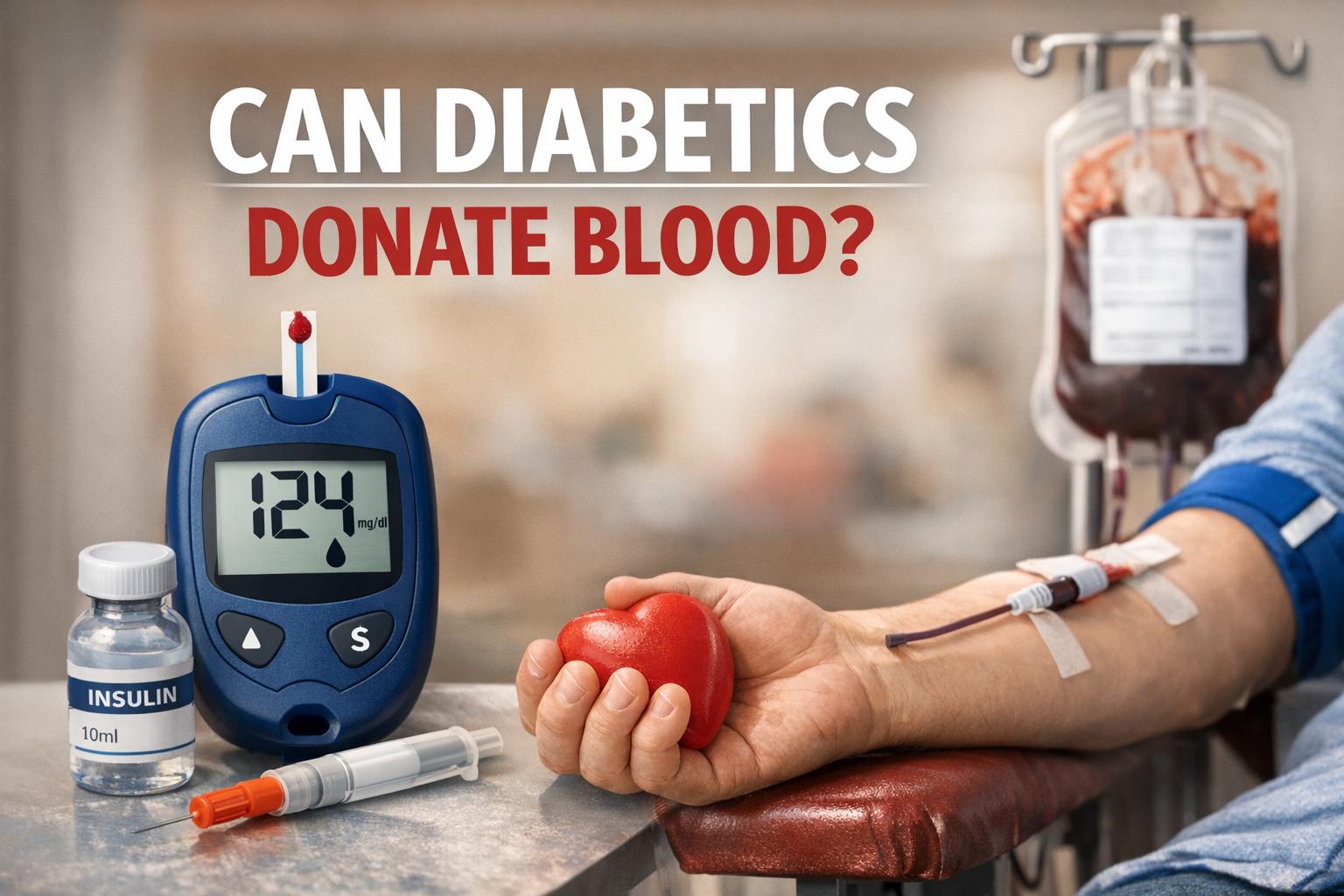
Eligibility Criteria for Diabetics to Donate Blood
When considering blood donation, individuals living with diabetes often seek clarity regarding their eligibility. Diabetes is a common metabolic condition characterized by elevated blood glucose levels due to the body’s inability to produce or properly use insulin. Because blood donation involves the removal of a portion of circulating blood volume, donation centers apply specific criteria to ensure both donor safety and recipient safety. Eligibility for people with diabetes depends on several factors, including the type of diabetes, how effectively it is managed, medication use, the presence of complications, and overall health stability at the time of donation.
Blood donation policies are generally designed to assess whether a donor can safely tolerate the temporary reduction in blood volume and whether any component of the donor’s medical history could affect the quality of the donated blood. In many cases, individuals with well-managed diabetes are not automatically excluded from donation. However, the assessment process may be more detailed compared to individuals without chronic medical conditions.
General Guidelines for Diabetics
In numerous countries, individuals with diabetes are permitted to donate blood if their condition is controlled and stable. “Controlled” typically means that blood glucose levels are maintained within the target range recommended by their healthcare provider, with no recent severe hypoglycemic or hyperglycemic episodes. Stability also implies that the individual has not experienced significant changes in medication, dosage, or overall treatment regimen in the recent past.
People who manage their diabetes through diet and lifestyle modifications alone are often eligible to donate, provided they meet all other standard donor requirements. These general requirements usually include minimum age and weight thresholds, adequate hemoglobin levels, acceptable blood pressure readings, and the absence of active infections or recent major surgeries. Diabetes itself is not necessarily disqualifying; instead, the presence of uncontrolled symptoms or complications may influence eligibility.
Type 1 and type 2 diabetes are both evaluated under similar principles: the key consideration is the degree of glycemic control and the absence of advanced complications. Donation centers generally assess whether the potential donor feels well on the day of donation and whether there have been recent health events that could increase risk. This approach emphasizes individual assessment rather than broad exclusion based solely on diagnosis.
Medications and Insulin
The type of medication used to manage diabetes plays a significant role in determining eligibility. Individuals who control their condition through oral medications such as metformin, sulfonylureas, DPP-4 inhibitors, or other commonly prescribed drugs are often allowed to donate if their diabetes is stable. Blood donation centers typically review the medication list to confirm that none of the prescribed drugs pose a risk to recipients or indicate underlying instability.
Insulin-dependent diabetics were historically subject to stricter limitations in some regions, primarily due to concerns about fluctuating blood sugar levels and potential long-term complications. However, many blood donation services now accept insulin-treated individuals, provided that their condition is well managed and that they have not experienced recent episodes of severe hypoglycemia requiring external assistance. The emphasis is on safe self-management rather than the method of treatment itself.
While insulin therapy alone does not automatically disqualify a donor in many jurisdictions, certain situations may lead to temporary deferral. For example, if a person has recently experienced diabetic ketoacidosis, required hospitalization for blood sugar instability, or undergone significant changes in insulin dosage, donation may be postponed until stability is re-established. The rationale is to avoid placing additional stress on the body during periods of medical adjustment.
Health and Stability
Maintaining stable health is critical for any blood donor, and this requirement is particularly relevant for those with diabetes. Blood sugar levels should be within the recommended target range before donation. A donor who arrives at a collection center with symptoms of hypoglycemia, such as dizziness, confusion, or sweating, will generally be deferred until levels are normalized and stability is confirmed.
Likewise, individuals experiencing hyperglycemia with associated symptoms, including excessive thirst, frequent urination, or general malaise, are typically advised to postpone donation. Stability involves not only blood glucose readings but also an overall sense of physical well-being. Donation centers frequently conduct a brief health screening that includes questions about recent illness, medication changes, and physician visits related to diabetes management.
Complications associated with diabetes are also considered. Advanced kidney disease, active foot ulcers, severe neuropathy impacting daily functioning, or significant cardiovascular disease may limit eligibility. These conditions may indicate that the individual’s body is already under increased physiological strain, making blood donation less advisable. The purpose of these criteria is preventive: to minimize the risk of adverse events such as fainting, delayed recovery, or exacerbation of existing health issues.
Consulting Health Professionals
Before deciding to donate blood, individuals with diabetes are encouraged to consult their healthcare provider. A physician, nurse practitioner, or diabetes specialist can evaluate whether blood donation is appropriate based on recent laboratory results, medication adjustments, and overall disease control. This step helps ensure that the decision to donate aligns with the donor’s broader treatment plan.
A healthcare professional may review recent hemoglobin A1c levels, assess any history of hypoglycemic episodes, and discuss how to prepare for donation. Since diabetes management plans are individualized, professional guidance can clarify whether donation poses any short-term or long-term concerns. In some cases, the clinician may advise delaying donation during periods of treatment change or illness.
Professional consultation also provides an opportunity to discuss strategies for maintaining stable blood glucose around the time of donation. For example, adjusting meal timing or monitoring more frequently may be recommended to reduce the risk of adverse symptoms.
Checking Local Blood Donation Policies
Blood donation policies are established by national or regional authorities, often guided by public health regulations and medical advisory boards. As a result, eligibility requirements for individuals with diabetes can vary across different countries and organizations. It is therefore important to review the specific criteria set by the local blood bank or donation center.
Most organizations publish detailed donor eligibility guidelines that address chronic medical conditions, including diabetes. These guidelines outline circumstances that may result in permanent deferral, temporary deferral, or acceptance with conditions. Reading these policies in advance can prevent inconvenience and help prospective donors prepare appropriately for screening questions.
Even within the same country, there may be minor procedural differences between organizations. Some centers may require additional questions related to recent blood sugar control, while others may rely primarily on general screening measures such as hemoglobin testing and health questionnaires. Contacting the donation center directly can clarify ambiguous points and confirm current standards, as policies may be updated periodically in response to new medical evidence.
Important Considerations
Hydration and Nutrition are central considerations for individuals with diabetes who intend to donate blood. Adequate hydration helps maintain blood volume and reduces the risk of lightheadedness after donation. Donors are typically advised to drink water before and after the procedure. Balanced meals containing complex carbohydrates, lean protein, and moderate fat can support stable blood glucose levels. It is generally advisable to avoid skipping meals prior to donation, as fasting may increase the risk of hypoglycemia.
For individuals who use insulin or medications that increase insulin secretion, careful coordination between meal timing and medication dosing is essential. Some donors may monitor their blood glucose more frequently on the day of donation to ensure levels remain within the target range. Bringing glucose tablets or a quick source of carbohydrates may be prudent in case mild hypoglycemia occurs, though severe reactions are uncommon when preparation is adequate.
Post-Donation Care also requires attention. After blood donation, the body works to replenish the lost fluid and red blood cells. Individuals with diabetes should continue regular meal patterns and monitor blood glucose as needed. Mild fatigue or dizziness can occur in any donor, but people with diabetes should distinguish between general post-donation tiredness and symptoms related to blood sugar fluctuations.
Remaining seated for a short period after donation, consuming the provided refreshments, and avoiding intense physical activity for the remainder of the day can reduce the risk of adverse effects. Monitoring injection sites in insulin users is also recommended, although blood donation itself does not typically interfere with insulin absorption when injection sites are rotated appropriately.
Another relevant consideration is anemia. Donation centers measure hemoglobin levels before allowing blood collection. Individuals with diabetes who have coexisting conditions such as chronic kidney disease may be more prone to anemia. If hemoglobin levels fall below the acceptable threshold, donation will be deferred until levels improve. This precaution protects donor health and ensures that donated blood meets quality standards.
Additional Medical and Practical Factors
In addition to glycemic control and medication use, other medical factors can influence eligibility. Blood pressure must fall within acceptable limits at the time of screening. Because hypertension commonly coexists with diabetes, individuals should ensure that their blood pressure is managed effectively. Well-controlled hypertension treated with medication is usually not a disqualifying factor, but significantly elevated readings may result in temporary deferral.
Body weight requirements also apply. Minimum weight thresholds are established to reduce the risk of adverse reactions related to blood volume removal. People with diabetes who meet these standards and maintain stable health generally face the same criteria as other donors.
Frequent donation intervals may also require consideration. The standard waiting period between whole blood donations is often eight to twelve weeks, depending on regional guidelines. Individuals with diabetes should adhere strictly to these intervals and avoid donating more frequently than recommended. Maintaining adequate iron levels through diet or supplementation, when advised by a healthcare professional, supports safe repeat donation.
Travel history, recent vaccinations, and concurrent illnesses are evaluated independently of diabetes status. For example, an acute infection or recent international travel to areas with certain endemic diseases may result in temporary deferral. These rules apply uniformly to all donors and are designed to protect the blood supply.
Conclusion
Eligibility for blood donation among individuals with diabetes depends primarily on the stability and management of the condition. Well-controlled diabetes, whether managed through lifestyle measures, oral medication, or insulin therapy, is not automatically disqualifying in many regions. Key considerations include stable blood glucose levels, absence of significant complications, acceptable hemoglobin and blood pressure measurements, and overall good health at the time of donation.
Consulting a healthcare professional provides individualized guidance and helps integrate blood donation into an existing diabetes management plan. Reviewing local blood donation policies ensures that prospective donors understand specific criteria and procedural requirements. With appropriate preparation, monitoring, and adherence to medical advice, many people living with diabetes can safely participate in blood donation programs while maintaining their own health.