Nutritional Needs of Blood Donors
Blood donation is a routine medical procedure that plays a central role in modern healthcare systems. While the body is well equipped to compensate for the temporary loss of blood volume, donation does result in measurable reductions in certain nutrients, most notably iron. Fluid levels also decline, and minor shifts occur in blood pressure and energy levels. For most healthy adults, these changes are temporary and resolve with proper intake of fluids and balanced foods.
Understanding nutritional needs after blood donation allows donors to recover efficiently and maintain overall health. Appropriate snacks and meals can help restore iron stores, support red blood cell production, stabilize blood sugar, and replace lost fluids. Although the body regulates these processes naturally, dietary choices influence how quickly and effectively recovery takes place.
Iron and Red Blood Cell Restoration
Iron is a central component of hemoglobin, the protein in red blood cells responsible for carrying oxygen throughout the body. When a unit of blood is donated, a measurable amount of iron is lost along with circulating red blood cells. The body responds by stimulating bone marrow to produce new red blood cells, a process that requires adequate iron availability.
For many individuals, especially regular donors, maintaining sufficient iron intake is essential. Low iron levels can lead to fatigue or deferral from future donations due to reduced hemoglobin counts. Including iron-containing foods soon after donation helps support replenishment.
Iron is available in two primary forms: heme iron, found in animal products, and non-heme iron, found in plant-based foods. Heme iron is generally absorbed more efficiently by the body, while non-heme iron absorption varies depending on other dietary factors.
In the hours following blood donation, easily digestible iron-containing snacks can be beneficial.
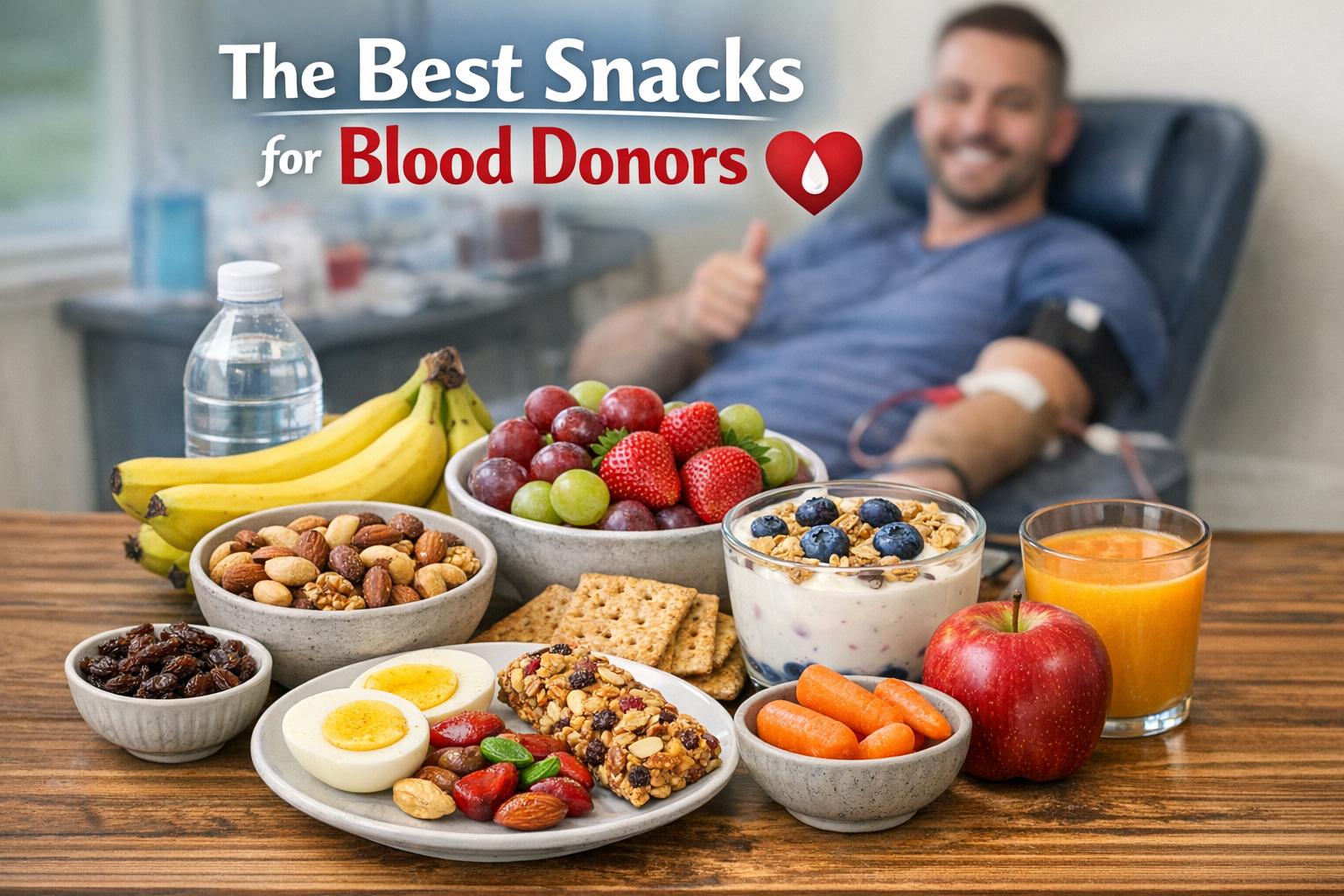
Trail Mix: A mixture of pumpkin seeds, almonds, cashews, and dried fruits such as apricots or raisins provides plant-based iron along with healthy fats and moderate protein. Pumpkin seeds, in particular, are noted for their mineral content, including iron and magnesium. Dried fruits contribute small amounts of iron and natural sugars that support energy levels. Choosing unsalted varieties helps avoid excessive sodium intake.
Spinach Salad: Fresh spinach contains non-heme iron along with folate, a B vitamin involved in red blood cell formation. When combined with cherry tomatoes, citrus segments, or bell peppers, the absorption of plant-based iron improves due to the presence of vitamin C. A light dressing based on olive oil and lemon juice can further enhance palatability without overloading the digestive system.
Lean red meat, poultry, and fish remain efficient dietary sources of heme iron, and incorporating them into subsequent meals can further support recovery. However, for immediate post-donation snacking, lighter options are often preferable.
Vitamin C and Iron Absorption
Vitamin C plays a significant role in iron metabolism. It enhances the absorption of non-heme iron by converting it into a form that is more readily taken up in the digestive tract. Pairing iron-rich plant foods with vitamin C-containing items improves overall iron utilization.
This interaction is particularly relevant for individuals who consume primarily plant-based diets. Strategic combinations of foods can substantially increase the body’s ability to rebuild iron stores after donation.
Orange Slices: Oranges provide both hydration and a concentrated source of vitamin C. The natural sugars in oranges may also help stabilize blood glucose levels if mild lightheadedness occurs after donation. Their high water content contributes to fluid replacement.
Berries and Yogurt: Strawberries, blueberries, and raspberries are rich in vitamin C and various antioxidants. When combined with plain or lightly sweetened yogurt, the snack supplies protein and calcium in addition to vitamin C. Protein supports tissue repair and blood cell production, making this combination useful in the early recovery period.
Other fruits such as kiwi, mango, and pineapple can serve similar functions. The key principle is combining vitamin C sources with iron-containing foods when possible.
Hydration and Circulatory Stability
During blood donation, approximately 450 to 500 milliliters of whole blood are removed. Although plasma volume begins to recover within 24 to 48 hours, immediate fluid replacement is important. Adequate hydration helps maintain blood pressure, reduces the likelihood of dizziness, and supports circulation.
Water is the primary recommendation following donation. Many donation centers encourage donors to drink several glasses of fluid before leaving the facility. However, certain foods with high water content can further contribute to hydration.
Cucumber and Hummus: Cucumbers consist largely of water and provide a mild source of vitamins and minerals. When paired with hummus, which contains chickpeas, tahini, and olive oil, the snack offers protein, healthy fats, and fiber. This combination supports satiety without causing digestive discomfort.
Watermelon Slices: With over 90 percent water content, watermelon supports fluid intake while offering potassium and small amounts of vitamins A and C. Its natural sugars may provide a mild energy boost if needed after donation.
Other hydrating foods include celery sticks, oranges, and soups with moderate sodium content. While electrolyte beverages can be used, they are generally not necessary for healthy donors unless advised by a healthcare professional.
Protein and Tissue Repair
Protein is essential in the production of hemoglobin and the regeneration of blood cells. Although protein loss from donation is modest, adequate intake supports overall recovery. Including protein in post-donation snacks helps maintain blood sugar stability and sustains energy throughout the day.
Dairy products, legumes, eggs, nuts, seeds, and lean meats provide high-quality protein. For individuals who may feel slightly fatigued, protein combined with complex carbohydrates can contribute to gradual energy release.
Whole-Grain Crackers with Cheese: Whole grains offer complex carbohydrates that digest more slowly than refined grains, promoting steady blood sugar levels. Cheese supplies protein and calcium. This pairing is convenient, easy to portion, and generally well tolerated.
Nuts and Seeds: Almonds, walnuts, sunflower seeds, and chia seeds provide protein along with healthy fats and micronutrients such as magnesium and zinc. A moderate portion is sufficient, as their energy density is high. These foods are practical options for individuals returning to work or daily activities soon after donating.
Greek yogurt, hard-boiled eggs, or a modest bean salad are additional protein-rich alternatives that can be integrated into snacks or light meals.
Carbohydrates and Energy Regulation
Some donors experience mild fatigue following blood donation. Although the caloric loss associated with one donation is not extreme, the temporary reduction in blood volume may contribute to feelings of low energy. Consuming balanced carbohydrates can help maintain glucose availability for the brain and muscles.
Emphasis should be placed on complex carbohydrates such as whole grains, legumes, and fruits rather than products high in added sugars. Rapid spikes and declines in blood sugar are less desirable than gradual stabilization.
Oat-based snacks, whole-grain toast with nut butter, or fruit paired with protein can be suitable. These combinations ensure that energy is replenished without burdening the digestive system.
Micronutrients Beyond Iron
Although iron receives the most attention in the context of blood donation, other micronutrients contribute to red blood cell formation. Folate and vitamin B12 are particularly important for DNA synthesis and cell maturation.
Folate is found in leafy greens, legumes, and fortified grains. Vitamin B12 is primarily present in animal products such as dairy, eggs, fish, and meat. Individuals following vegetarian or vegan diets should ensure adequate intake through fortified foods or supplements as recommended by a healthcare provider.
Magnesium and potassium also support muscular and cardiovascular function. Nuts, seeds, bananas, and leafy vegetables can contribute to maintaining electrolyte balance.
Digestive Comfort and Timing
Immediately after donating blood, the digestive system may be slightly sensitive, particularly if the donor had limited food intake before the procedure. Choosing snacks that are light and moderately sized is advisable. Heavy, high-fat meals may lead to discomfort in some individuals.
It is generally recommended to eat within a few hours of donation. Continuing to consume balanced meals throughout the day supports sustained recovery. Spacing iron-rich foods across meals rather than relying on a single large portion may improve overall absorption.
Guidance for Regular Donors
Individuals who donate blood frequently should pay particular attention to long-term iron balance. Repeated donation without adequate dietary compensation may gradually reduce iron stores. Monitoring hemoglobin levels prior to each donation provides an indicator of current status, but ferritin testing offers a more precise measure of stored iron. Consultation with a healthcare provider can determine whether dietary changes alone are sufficient or whether supplementation is appropriate.
For most healthy adults, a varied diet containing lean proteins, whole grains, fruits, vegetables, nuts, and seeds provides adequate support for the body’s regenerative processes. Maintaining hydration and consuming iron-containing foods with vitamin C-rich options enhances natural recovery.
For further guidance on nutrition for blood donation, additional educational materials are available through the American Red Cross, which provides resources for donors seeking evidence-based recommendations.
By adopting balanced, practical dietary habits, blood donors can support efficient recovery, maintain stable nutrient levels, and continue contributing safely to the blood supply system.