Introduction
Donating blood is a medically supervised process that contributes directly to patient care in hospitals, trauma centers, and surgical units. While the amount of blood collected during a standard donation is relatively small—typically about one pint—it still represents a temporary reduction in circulating blood volume and certain nutrients, particularly iron. The human body is well equipped to replace lost plasma within 24 to 48 hours and red blood cells over several weeks. However, appropriate post-donation care helps ensure a smooth recovery and reduces the likelihood of temporary side effects such as dizziness, fatigue, or bruising.
Recovery after blood donation is generally straightforward. Most healthy adults resume normal daily activities within hours. Nevertheless, taking deliberate and informed steps following the procedure supports circulatory stability, maintains energy levels, and promotes efficient replenishment of blood components. The following sections outline practical guidance to help optimize recovery and reduce discomfort after giving blood.
Immediate Steps Post-Donation
Immediately after donating blood, staff members typically ask donors to remain seated or reclined for several minutes. This period allows the body to adjust to the temporary decrease in blood volume. Standing up too quickly may cause a drop in blood pressure, leading to lightheadedness or fainting. Remaining still for a short period helps stabilize circulation and ensures that oxygen delivery to the brain remains consistent.
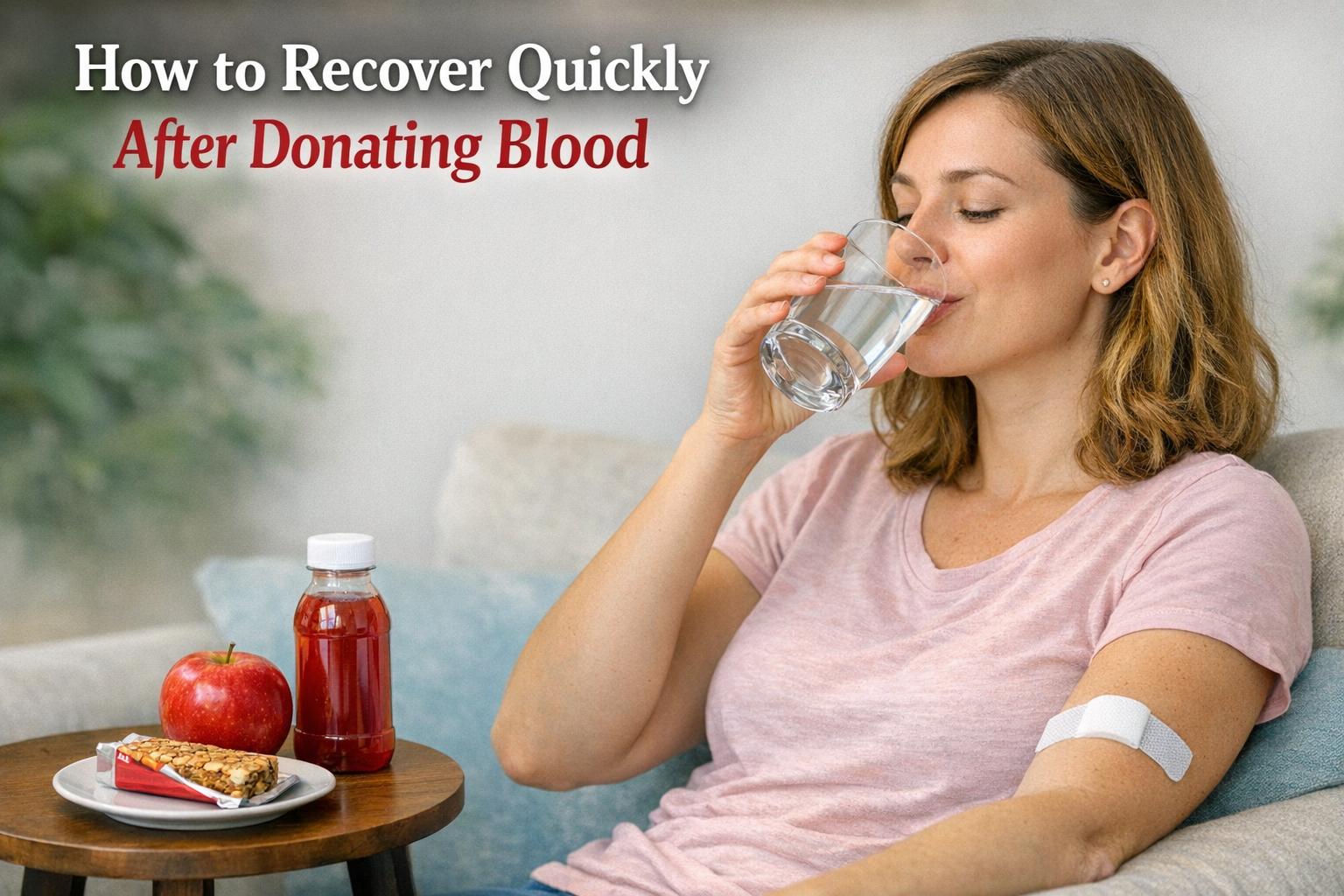
During this time, donors are often offered water, juice, or a light snack. Consuming fluids and simple carbohydrates helps restore blood sugar levels and supports hydration. Even if you feel well, accepting refreshments is advisable because subtle drops in blood sugar and fluid levels may not produce immediate symptoms.
It is also important to keep the bandage applied to the needle site in place for the recommended duration, usually several hours. Applying gentle pressure immediately after needle removal reduces the risk of bleeding or bruising. Avoiding heavy use of the donation arm for the first few hours further minimizes strain on the vein.
Stay Hydrated
Hydration plays a central role in post-donation recovery. Plasma, the liquid component of blood, is largely composed of water. After donation, the body prioritizes replacing plasma volume, which it can accomplish relatively quickly with adequate fluid intake. Drinking water or non-caffeinated beverages helps maintain blood pressure and circulation while supporting this process.
Within the first few hours after donation, consuming at least two to three cups of water is recommended. Continuing to drink fluids consistently throughout the remainder of the day enhances recovery. While moderate caffeine intake is generally safe, excessive caffeinated beverages may contribute to mild dehydration in some individuals. Choosing water, diluted fruit juices, or electrolyte-containing drinks can be beneficial.
Proper hydration also reduces the likelihood of post-donation headaches and fatigue. Individuals who are physically active, live in warm climates, or have larger body mass may require additional fluids to compensate for ongoing losses through perspiration or normal metabolic processes.
Eating a Balanced Meal
Nutrition significantly influences how effectively the body replaces red blood cells and replenishes iron stores. Blood donation removes not only fluid but also hemoglobin, the iron-containing protein within red blood cells responsible for oxygen transport. Although the body recycles much of its iron efficiently, regular donors in particular should pay attention to dietary intake.
A balanced post-donation meal should include adequate protein, iron, and vitamin C. Iron-rich foods such as lean red meat, poultry, fish, beans, lentils, tofu, fortified cereals, and dark leafy greens support hemoglobin production. Pairing these foods with items high in vitamin C—including citrus fruits, tomatoes, strawberries, or bell peppers—improves iron absorption in the digestive tract.
In addition to iron, nutrients such as folate and vitamin B12 contribute to red blood cell production. Eggs, dairy products, and fortified grains can help meet these needs. While a single meal will not instantly restore red blood cell levels, consistent attention to balanced nutrition accelerates recovery and supports long-term donor health.
Eating regular meals throughout the day after donation helps maintain stable blood sugar levels. Skipping meals may increase fatigue or dizziness, particularly in individuals sensitive to changes in glucose levels.
Rest and Recovery
Although many donors feel normal shortly after giving blood, the body continues internal recovery processes for hours and days afterward. Allowing time for rest reduces strain on the cardiovascular system and supports adaptation to the temporary reduction in red blood cell count.
For the remainder of the donation day, it is advisable to avoid strenuous physical activities such as heavy lifting, intense exercise, or prolonged standing. These activities can increase heart rate and blood pressure, potentially causing dizziness or reopening the needle site. Individuals whose occupations require physical exertion may consider scheduling donations on days off or after completing demanding tasks.
Light activities such as walking or desk work are usually safe if no symptoms are present. Listening to your body is essential; if you experience weakness or lightheadedness, sitting or lying down promptly can prevent falls or injury. Elevating the legs slightly while resting may also help restore comfortable circulation.
Sleep quality can influence recovery. Ensuring adequate rest on the night following donation supports physiological repair processes, including hematopoiesis, the production of new blood cells in the bone marrow.
Avoid Alcohol
Alcohol consumption shortly after blood donation is not recommended. Alcohol acts as a diuretic, increasing urine output and potentially contributing to dehydration. Because hydration is essential for restoring plasma volume, avoiding alcoholic beverages for at least 24 hours after donation is prudent.
Additionally, alcohol may amplify feelings of fatigue or impair coordination. Since blood donation itself can occasionally cause lightheadedness, combining it with alcohol increases the risk of dizziness or falls. Waiting until the body has stabilized minimizes these risks and promotes safer recovery.
Avoid Smoking
Refraining from smoking for at least several hours after donation is advisable. Nicotine can constrict blood vessels and temporarily influence blood pressure and heart rate. These effects may interfere with circulatory adjustment during the immediate recovery phase.
Smoking also reduces oxygen delivery to tissues due to carbon monoxide exposure, which competes with oxygen for binding sites on hemoglobin. Following a blood donation, when hemoglobin levels are slightly reduced, maintaining optimal oxygen transport is beneficial. Avoiding smoking during the early recovery period supports this process.
Managing Common Post-Donation Symptoms
Most side effects after blood donation are mild and temporary. Understanding typical reactions helps donors respond appropriately without unnecessary concern.
Mild dizziness or lightheadedness can occur, particularly when standing quickly. If this happens, sitting or lying down immediately, drinking fluids, and loosening tight clothing usually resolve the sensation within minutes. Applying a cool compress to the forehead may also provide comfort.
Bruising at the needle site is another common occurrence. It results from small amounts of blood leaking into surrounding tissue under the skin. Keeping the initial bandage on for several hours and avoiding heavy use of the affected arm reduces the likelihood and size of bruising. If bruising develops, applying a cold compress within the first 24 hours may limit swelling. After 24 hours, gentle warmth can encourage reabsorption.
Fatigue may persist for a day or two, particularly in first-time donors. This is typically mild and improves with hydration, balanced nutrition, and adequate rest. Persistent or worsening fatigue, however, should prompt consultation with a healthcare provider.
Monitoring Your Health
While complications are uncommon, monitoring your condition following donation ensures prompt attention if needed. Being aware of your body’s responses enables early identification of issues that may require medical advice.
Normal recovery includes gradual normalization of energy levels and absence of significant bleeding. Minor tenderness at the needle site is expected but should decrease over time. Keeping the area clean and observing it for signs of infection, such as redness, warmth, or discharge, is advisable, although infections are rare due to sterile procedures.
It is also recommended to avoid removing the bandage too early and to check periodically for continued bleeding. If bleeding resumes, applying firm pressure with a clean gauze pad and raising the arm can usually stop it within minutes.
Signs to Watch For
Certain symptoms warrant medical attention. These include prolonged or severe dizziness, fainting that does not resolve quickly, shortness of breath, chest discomfort, or continued bleeding that does not respond to direct pressure. Significant swelling or pain in the arm may also require evaluation.
In rare cases, delayed reactions may occur hours after leaving the donation site. Should you experience unusual weakness, rapid heartbeat, or signs of allergic reaction such as rash or difficulty breathing, contacting a healthcare provider promptly is important.
Communicating any post-donation issues to the blood collection center is also beneficial. This information contributes to ongoing safety monitoring and donor care improvement.
Long-Term Recovery and Iron Management
Although plasma volume is typically restored within days, rebuilding red blood cell mass and iron reserves can take several weeks. For many donors, especially those who donate frequently, maintaining adequate iron intake through diet is important for long-term health.
Individuals at higher risk of low iron levels—such as menstruating women, adolescents, vegetarians, and frequent donors—may consider discussing iron status with a healthcare professional. In some cases, iron supplementation may be recommended. Supplements should only be taken under medical guidance, as excessive iron consumption can have adverse effects.
Spacing donations appropriately according to established guidelines also supports recovery. Most blood centers require a minimum interval between whole blood donations, commonly around eight weeks. Adhering to these intervals allows sufficient time for red blood cell regeneration.
Regular health checkups that include hemoglobin or ferritin measurements can help frequent donors monitor iron status. Recognizing early signs of iron deficiency—such as unexplained fatigue or pale skin—allows for timely intervention.
Physical Activity After Donation
Resuming physical activity should be gradual. While light movement is generally safe on the day of donation, vigorous exercise such as weightlifting, high-intensity interval training, or endurance sports should be postponed until the following day or until you feel fully recovered.
Athletes in training may need to account for the temporary reduction in oxygen-carrying capacity. Performance at peak intensity could be mildly affected for several days following donation. Planning donations outside of major competition or intense training periods helps minimize impact.
Hydration before, during, and after resumed exercise remains important. Paying attention to any unusual fatigue or dizziness during workouts and reducing intensity accordingly supports safe participation.
Special Considerations for Different Donors
First-time donors may be more likely to experience mild dizziness due to unfamiliarity with the process or anxiety-related physiological responses. Preparing by getting adequate sleep, eating a balanced meal beforehand, and staying well hydrated can reduce these effects.
Older adults, individuals with lower body weight, or those with borderline hemoglobin levels may require additional caution. Following all pre- and post-donation instructions carefully ensures a safe experience.
Those taking medications should follow guidance provided during the donor screening process. While most routine medications do not interfere with recovery, certain drugs may influence hydration status or circulatory responses.
Conclusion
Recovering efficiently after blood donation involves straightforward but deliberate actions. Remaining seated briefly after donation, maintaining adequate hydration, consuming a nutrient-rich meal, and allowing time for rest all contribute to a stable recovery. Avoiding alcohol and smoking during the immediate post-donation period further supports circulatory balance and oxygen delivery.
Monitoring for unusual symptoms ensures timely medical attention if necessary, while maintaining adequate dietary iron helps restore red blood cell levels over time. By following these evidence-based recommendations, donors can minimize discomfort, protect their health, and continue participating safely in blood donation programs that support essential medical treatments.