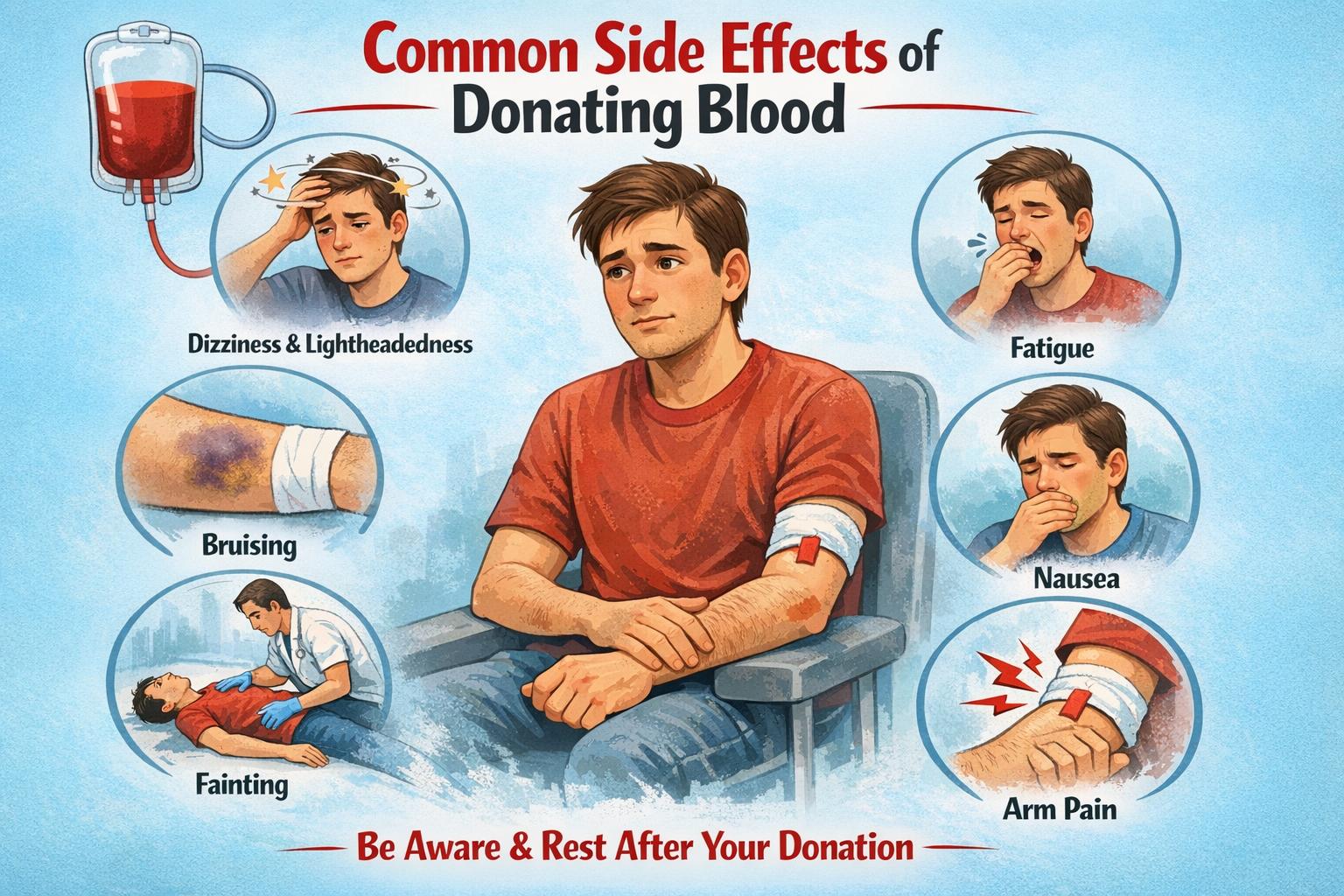
Understanding Common Side Effects of Donating Blood
Donating blood is a routine medical procedure that plays an essential role in modern healthcare systems. Hospitals rely on donated blood for surgeries, trauma care, cancer treatment, childbirth complications, and the management of chronic illnesses. Although the donation process is considered safe for healthy individuals, it involves the removal of a measurable amount of blood from the body. As a result, donors may experience certain side effects. These effects are typically mild, short-lived, and manageable with basic aftercare. Understanding them can help individuals approach donation with accurate expectations and practical knowledge.
Before donation, potential donors complete a health screening process to ensure eligibility. Trained professionals monitor the procedure, which usually takes less than 15 minutes for the blood draw itself. Despite these safeguards, the body must adjust temporarily to changes in blood volume and circulation. Most reactions occur either immediately or within the first few hours after donation.
Immediate Reactions
Immediate reactions refer to symptoms that appear during or shortly after the donation process. These responses are generally related to temporary changes in blood pressure, hydration, or nervous system activity. In most cases, they resolve without medical intervention.
Fatigue
One of the most commonly reported effects is fatigue. When approximately one pint of blood is removed, the body begins working to restore plasma volume and replace red blood cells. Although plasma levels typically recover within 24 to 48 hours, red blood cell replacement can take several weeks. During this regenerative period, some individuals notice reduced energy levels.
Fatigue following blood donation often feels mild and manageable. It may be more noticeable in individuals who were already slightly dehydrated, had limited sleep, or engaged in strenuous activities shortly before or after donating. Rest is an effective remedy. Drinking fluids and eating balanced meals that include adequate protein and iron can also support recovery. Most donors find that their energy returns to baseline within a day or two.
Dizziness and Lightheadedness
Another frequent reaction is dizziness or lightheadedness. These sensations may occur while blood is being drawn or soon after standing up following the procedure. The primary cause is a temporary reduction in circulating blood volume, which can affect blood pressure regulation.
In some individuals, the response may be partly related to anxiety or heightened sensitivity to medical procedures involving needles. This type of response is sometimes described as a vasovagal reaction, in which the nervous system briefly lowers heart rate and blood pressure. Symptoms may include dizziness, nausea, pale skin, or sweating. Fainting can occur in a small percentage of donors, particularly first-time participants.
Preventive strategies include proper hydration prior to the appointment and remaining seated or lying down for several minutes after the donation is completed. If dizziness develops, lying flat with legs elevated can help restore blood flow to the brain. Medical staff at donation centers are trained to manage these reactions promptly and effectively.
Nausea
Some donors report mild nausea during or after donation. This symptom is often linked to the same factors that cause dizziness, including changes in blood pressure or anxiety. In most cases, nausea subsides with rest, hydration, and light food intake. Eating a small meal before donating, unless otherwise instructed, may reduce the likelihood of gastrointestinal discomfort.
Localized Reactions
Localized side effects occur at the site where the needle is inserted. Because the procedure requires access to a vein, minor tissue irritation can occur. Proper technique and sterile equipment significantly reduce the risk of complications.
Bruising
A bruise at the needle insertion site is one of the most common localized reactions. Bruising occurs when a small amount of blood leaks into surrounding tissue during or after needle removal. The affected area may appear blue, purple, or yellow as it heals. Most bruises are small and resolve within several days.
Applying gentle pressure immediately after needle removal helps limit bruising. If a bruise develops, a cold compress during the first 24 hours can minimize swelling and discoloration. After that period, mild warmth may promote circulation and healing. Bruising rarely indicates a serious problem and typically does not interfere with normal arm function.
Arm Pain or Soreness
Some individuals experience pain or soreness in the arm from which blood was collected. This discomfort can range from mild tenderness to temporary stiffness. It usually resolves within a few days.
Avoiding heavy lifting or strenuous arm activity for several hours after donation may reduce discomfort. Over-the-counter pain relievers that do not interfere with clotting, when appropriate and approved by a healthcare professional, can provide additional relief. Persistent or worsening pain should be evaluated, although such occurrences are uncommon.
Minor Bleeding
Occasionally, the puncture site may bleed slightly after the bandage is removed. This is generally minor and stops with steady pressure for several minutes. Donors are typically instructed to keep the bandage in place for a specified period and to avoid vigorous arm movement immediately afterward.
Delayed Reactions
Although most side effects occur quickly, some individuals notice symptoms hours later or the following day. These delayed reactions are generally associated with normal physiological adjustments.
Ongoing Fatigue
For certain donors, especially those with lower body weight or borderline iron levels, fatigue may persist for several days. Women of reproductive age may be particularly susceptible due to regular menstrual blood loss affecting baseline iron stores. Ensuring adequate dietary iron intake after donation can help reduce this risk. Iron-rich foods include lean meats, legumes, and leafy green vegetables.
In some blood donation programs, donors who give frequently may be advised to monitor iron levels periodically. Maintaining sufficient iron stores supports overall health and reduces the likelihood of extended fatigue.
Headache
A mild headache may develop due to slight dehydration or temporary vascular changes. Increasing fluid intake and resting in a calm environment often resolves the issue. Persistent or severe headaches are not typical and warrant medical evaluation.
Less Common but Notable Side Effects
While the majority of donors experience minimal effects, it is important to be aware of less common reactions. These occur infrequently and are usually manageable.
Fainting
Although uncommon, fainting can occur during or after donation. This risk is highest among first-time donors and younger individuals. Donation centers mitigate this possibility through careful screening, supervised recovery areas, and observation periods after the procedure. If fainting occurs, it typically resolves quickly with supportive measures.
Nerve Irritation
In rare cases, donors may experience temporary tingling or numbness in the arm due to minor nerve irritation. This sensation usually resolves within days or weeks. Persistent numbness or weakness should prompt medical consultation, though serious nerve injuries are very rare in standard blood donation procedures.
Iron Deficiency
Repeated blood donation over time can lead to iron deficiency in some individuals. Because red blood cells contain iron, regular removal without adequate replenishment can gradually lower iron stores. Symptoms may include prolonged fatigue, weakness, pale skin, or shortness of breath during exertion. Blood centers often track donation frequency and may recommend intervals between donations to reduce this risk. In some cases, healthcare providers may suggest iron supplementation.
Physiological Adjustment After Donation
Understanding how the body responds to blood loss can clarify why certain side effects occur. The bloodstream contains red blood cells, white blood cells, platelets, and plasma. Plasma volume is restored relatively quickly through fluid intake and shifts in body water distribution. Red blood cell production, stimulated by the hormone erythropoietin, takes longer. The bone marrow gradually increases production to compensate for the donated blood.
This regenerative process is efficient in healthy individuals. Most donors recover completely without lasting effects. Adequate hydration and balanced nutrition support these physiological adjustments.
Prevention and Management Strategies
Although side effects are generally mild, preventive measures can further reduce their likelihood. Preparing for donation begins the day before the appointment. Drinking sufficient fluids supports stable blood pressure and circulation. Avoiding excessive alcohol intake is advisable, as alcohol can contribute to dehydration.
Eating a balanced meal prior to donation stabilizes blood sugar levels and reduces the risk of dizziness. Meals that include complex carbohydrates and lean protein are beneficial. After donation, remaining seated for a short observation period allows staff to monitor recovery. Continuing to drink fluids and avoiding intense physical exertion for the rest of the day supports safe recovery.
If any unusual or severe symptoms develop, consulting a healthcare provider is appropriate. Donation centers typically provide guidance on what to expect and when to seek medical advice.
Psychological Factors and Donor Experience
Some reactions attributed to blood donation may be influenced by psychological factors. Anxiety about needles, anticipation of discomfort, or concern about fainting can contribute to physical sensations such as sweating, nausea, or rapid heartbeat. Education about the procedure and relaxation techniques can mitigate these responses.
Experienced donors often report fewer adverse reactions than first-time donors. Familiarity with the process reduces uncertainty and allows individuals to prepare more effectively. Clear communication with medical staff helps address concerns before they escalate into physical symptoms.
Who May Be More Susceptible to Side Effects
Certain groups may have a slightly higher likelihood of experiencing side effects. Individuals with lower body weight, those prone to low blood pressure, and first-time donors may be more sensitive to volume changes. Young adults and adolescents sometimes exhibit stronger vasovagal responses. Additionally, individuals with marginal iron levels may experience prolonged fatigue after donation.
Screening procedures are designed to identify people who may not be suitable candidates at a given time. Temporary deferrals are common and intended to protect both donor and recipient safety.
Long-Term Safety Considerations
Extensive research supports the overall safety of blood donation for eligible individuals. Long-term adverse effects are rare when recommended donation intervals are followed. Monitoring hemoglobin levels before each donation helps ensure that donors maintain adequate red blood cell counts.
Individuals who donate frequently should remain attentive to overall nutrition and personal health. Routine medical checkups can provide additional reassurance. When performed according to established medical guidelines, blood donation does not result in chronic weakness, immune deficiency, or lasting impairment.
Conclusion
Blood donation is a controlled medical procedure with well-established safety protocols. While some side effects can occur, they are typically mild, temporary, and manageable with basic preventive measures. Common reactions include fatigue, dizziness, localized bruising, and mild soreness. Less frequent effects such as fainting or iron deficiency are generally preventable through proper screening and attention to aftercare.
A clear understanding of possible side effects allows donors to prepare appropriately and recognize normal bodily responses. With adequate hydration, balanced nutrition, and reasonable rest, most individuals recover quickly and resume their usual activities within a short period.